10 Italian Soup Recipes Worth Making
If your dinner routine has been feeling a little flat, italian soup recipes are one of the fastest ways to make a basic pot of food feel generous, cozy, and honestly a little restaurant-worthy. So which Italian soup should you make first? Start with the one that matches your mood – brothy and light, creamy and rich, or hearty enough to count as the whole meal.
As a cook, I love Italian soups because they know exactly what they are trying to do. They stretch humble ingredients, build flavor in layers, and make your kitchen smell like you had a better plan all along. A pot of minestrone, pasta e fagioli, or ribollita can rescue a weeknight, use up vegetables in the crisper drawer, and still feel special enough to serve to friends with a loaf of bread and a green salad.
Why italian soup recipes never go out of style
Italian soups grew out of practical home cooking. Many of the classics were built around beans, stale bread, greens, onions, tomatoes, and whatever was affordable and seasonal. That matters because these dishes were never meant to be fussy. They were meant to feed people well.
That history is also why there is so much variation from region to region. Tuscan ribollita leans thick, rustic, and bread-based. Pasta e fagioli can be brothy or almost stew-like depending on the household. Stracciatella is delicate and fast, while Italian wedding soup balances tiny meatballs, greens, and pasta in a lighter broth. The common thread is comfort with structure – simple ingredients, layered flavor, and very little wasted.
The 10 italian soup recipes to keep in your rotation
You do not need ten different pots going at once, but knowing the range helps you choose better.
Minestrone is the flexible classic. It usually starts with onion, carrot, celery, garlic, tomatoes, beans, broth, and a mix of vegetables, then finishes with pasta or rice. This is the soup for clearing out zucchini, green beans, spinach, or cabbage.
Pasta e fagioli is bean-forward, deeply savory, and ideal when you want something cheap and filling that still tastes like care. Small pasta shapes work best because they stay spoonable.
Ribollita is one of the smartest soups ever invented. Bread thickens the broth, cannellini beans add body, and kale or cavolo nero gives it that earthy edge. It gets even better the next day.
Italian wedding soup is a crowd-pleaser for people who want broth with substance. Tiny meatballs, small pasta, and greens make it feel complete without becoming heavy.
Stracciatella is what you make when you want comfort fast. Beaten eggs and Parmesan are stirred into simmering broth to create soft ribbons. It is simple, but not plain.
Zuppa Toscana, at least in the American home-cook sense, usually brings sausage, potatoes, greens, cream, and garlic together in one rich, satisfying bowl. It is not the lightest option, but that is sometimes the point.
Tortellini soup is weeknight gold. Store-bought cheese tortellini, broth, spinach, tomatoes, and Italian sausage can become dinner in under 30 minutes.
Lentil soup with Italian flavors deserves more attention. Olive oil, garlic, rosemary, tomato paste, and greens make it feel rustic and deeply warming.
Escarole and bean soup is one of those dishes that tastes far more sophisticated than its ingredient list suggests. Bitter greens and creamy beans are a beautiful pairing.
Chicken gnocchi soup lands in the comfort-food category. It is less traditional than some of the others, but if your house likes creamy soups, this one always disappears fast.
Full recipe description: classic pasta e fagioli
Listen, I get it – if you are searching for italian soup recipes, you probably do not just want ideas. You want one dependable recipe you can make tonight without second-guessing every step. This pasta e fagioli is exactly that recipe. It is hearty but not too heavy, rich with tomato and garlic, loaded with beans, and built from pantry basics you may already have. The texture lands right between soup and stew, which means it eats like a full meal. A little Parmesan on top and a drizzle of olive oil make it taste like you tried harder than you did.
Ingredients
You will need 2 tablespoons olive oil, 1 small yellow onion diced, 2 carrots diced, 2 celery stalks diced, 4 garlic cloves minced, 2 tablespoons tomato paste, 1 can diced tomatoes, 1 teaspoon dried oregano, 1 teaspoon dried basil, 1 can cannellini beans drained and rinsed, 1 can kidney beans drained and rinsed, 6 cups chicken broth or vegetable broth, 1 cup ditalini pasta, 1 Parmesan rind if you have one, 2 cups chopped spinach or kale, salt, black pepper, red pepper flakes if you like heat, and grated Parmesan for serving.
Tools and equipment needed
Grab a large heavy-bottomed soup pot or Dutch oven, a cutting board, chef’s knife, wooden spoon, measuring cups, and a ladle. That is it. This is the kind of soup that rewards simple equipment and a little patience.
How to make one of the best italian soup recipes at home
Heat the olive oil over medium heat, then add the onion, carrots, and celery. Cook for 7 to 8 minutes until the vegetables soften and the onion looks translucent. Do not rush this part. This is where the soup starts building sweetness and depth.
Add the garlic and tomato paste, then stir for about 1 minute. You want the tomato paste to darken slightly. That quick caramelization gives the broth a richer, more cooked-all-day flavor.
Pour in the diced tomatoes and broth, then add oregano, basil, both beans, and the Parmesan rind if using. Bring everything to a gentle boil, then reduce to a simmer for 15 minutes. At this point, the soup should smell savory and balanced, not sharp or raw.
Add the ditalini and simmer until just tender, usually 8 to 10 minutes. Stir often because pasta likes to settle at the bottom. Once the pasta is cooked, add the chopped greens and let them wilt for 2 minutes.
Taste and season with salt, black pepper, and a pinch of red pepper flakes if you want a little warmth. If the soup thickens more than you like, add extra broth or water. Pasta e fagioli is one of those soups where texture is personal. Some people want it brothy. Some want it almost spoon-standing thick. Both are right.
Final plating and decoration
Ladle the soup into warm bowls and top with grated Parmesan, a drizzle of olive oil, and a few cracks of black pepper. If you have fresh parsley, a little on top brightens the whole bowl. Serve it with crusty bread or garlic toast, and dinner is handled.
Tips, fixes, and easy variations
If your soup gets too thick after sitting, loosen it with broth before reheating. Pasta will keep absorbing liquid, so this is normal, not a failure. If you are planning for leftovers, you can also cook the pasta separately and add it to each bowl.
For more richness, start with a little pancetta or Italian sausage before adding the vegetables. For a vegetarian version, use vegetable broth and lean harder on Parmesan, herbs, and good olive oil for depth. If you want a more tomato-forward bowl, add extra tomato paste. If you want it softer and silkier, mash some of the beans into the broth.
This is also the category of soup where seasonal swaps work beautifully. In colder months, use kale, cabbage, or escarole. In spring, spinach is lighter and sweeter. Summer minestrone-style add-ins like zucchini or green beans can push the soup in a different direction without breaking its character.
FAQ about italian soup recipes
1. What is the most popular Italian soup?
Minestrone is probably the most widely recognized, but pasta e fagioli and Italian wedding soup are close behind for many American home cooks.
2. Are italian soup recipes healthy?
Often, yes. Many are built around beans, vegetables, broth, and olive oil. The final nutrition depends on additions like sausage, cream, pasta, and cheese.
3. What makes an Italian soup taste better?
Start with a proper sauté of onion, carrot, and celery, season in layers, and use Parmesan rind, herbs, garlic, and olive oil thoughtfully. A bright finish like cheese or herbs helps too.
4. Can I freeze Italian soup?
Most bean- and broth-based soups freeze well. Soups with pasta are best either slightly undercooked before freezing or frozen without pasta, then finished fresh later.
5. What should I serve with Italian soup?
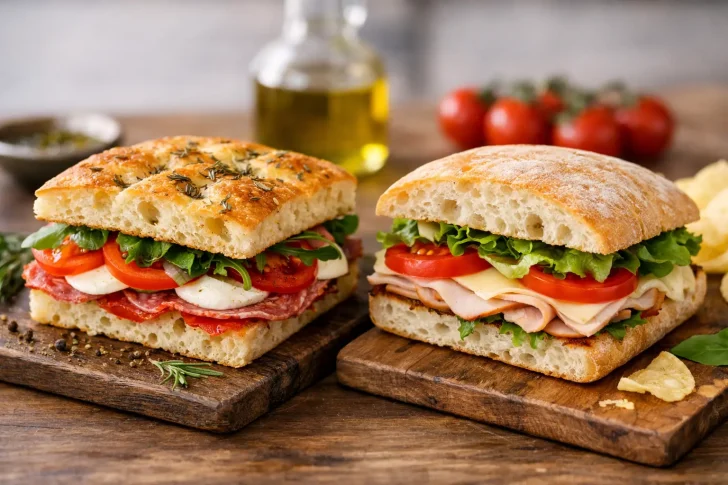
Crusty bread, focaccia, a crisp salad, roasted vegetables, or a simple sandwich all work. If the soup is rich, keep the sides lighter. If the soup is brothy, bread makes it feel more complete.
The best part about making Italian soup is that it does not ask for perfection. It asks for attention, a little tasting along the way, and the willingness to turn ordinary ingredients into something deeply comforting. That is a dinner habit worth keeping.