How to Build a Platter That Looks Effortless
A great platter is not about owning a marble board the size of your kitchen table. It is about creating a little edible landscape where every bite has somewhere delicious to go. So, how do you build a platter that feels generous, balanced, and party-ready without buying every fancy item in the grocery store? Start with a few smart flavor contrasts, then layer them in a way that makes guests want to reach in.
Whether you are making a simple cheese platter for two, a grazing board for game night, or an appetizer tray for a holiday crowd, this formula keeps the process fun instead of fussy. Listen, I get it: a pile of crackers and cheese can look oddly sparse five minutes after you set it down. A few strategic choices fix that fast.
Recipe Description
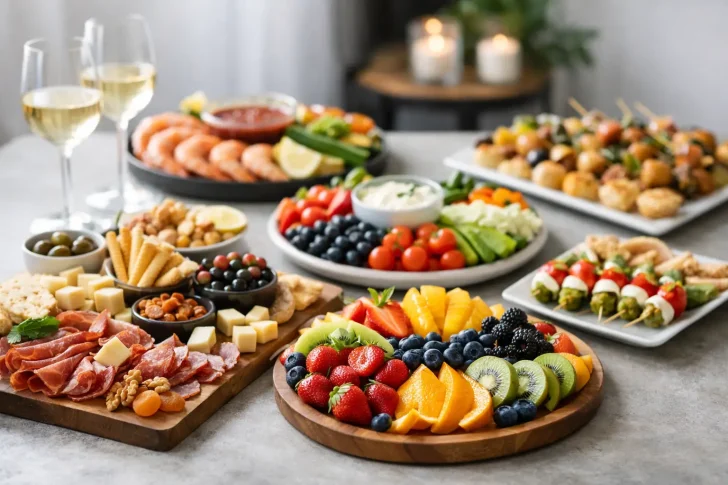
This easy entertaining platter is a flexible, flavor-forward board built with creamy cheese, savory cured meat, crunchy crackers, fresh and dried fruit, briny bites, and a sweet accent. It serves 6 to 8 as an appetizer and takes about 20 minutes to assemble. Think of it as a no-cook recipe with a very rewarding final reveal: colorful, snackable, and easy to adapt to whatever is in your fridge.
A Short History of the Sharing Platter
The modern charcuterie board may be all over social feeds, but the idea behind it is much older. In France, charcuterie originally referred to prepared pork products, often served with bread, pickles, and mustard. Cheese boards have their own European roots, traditionally arriving after dinner with fruit and crackers or bread.
American entertaining turned those traditions into the abundant grazing platter we know now. The best version is less about following old rules and more about borrowing the good parts: salty cured meats, ripe cheese, sharp pickles, good bread, and something sweet to round it all out. A well-built platter still works because it offers choice. Your guest who loves blue cheese and your nephew who only wants salami and crackers can both leave happy.
How to Build a Platter: Start With Flavor, Not Decoration
Before shopping, decide what kind of moment you are serving. A wine-night cheese board can lean fruit-forward and elegant. A casual snack platter might include pretzels, hummus, cheddar cubes, and crunchy vegetables. For a dinner party, add more substantial items such as sliced roast chicken, smoked salmon, or a baked wheel of brie.
The easiest rule is to include something creamy, salty, crisp, fresh, tangy, and sweet. You do not need ten cheeses or six meats. Three cheeses and one or two savory proteins are plenty for most home gatherings. A smaller selection actually looks more intentional, and it helps guests understand what to pair together.
For a 6-to-8-person appetizer platter, plan on about 3 to 4 ounces of cheese per person and 2 ounces of meat per person if you are serving it. Add more if this is standing in for dinner.
Ingredients for an Easy Cheese and Charcuterie Platter
Choose ingredients you genuinely want to eat. The exact brands matter far less than variety in texture and flavor.
- Cheese: 1 soft cheese such as brie or goat cheese, 1 firm cheese such as sharp cheddar or manchego, and 1 bold option such as blue cheese, smoked gouda, or pepper jack.
- Savory additions: 2 to 3 ounces each of salami and prosciutto, or swap in smoked turkey, pepperoni, roasted chickpeas, or marinated tofu for a meat-free board.
- Crunchy bases: Crackers in two shapes, sliced baguette, breadsticks, pretzels, or toasted pita wedges.
- Fresh and dried fruit: Grapes, apple slices, pear slices, berries, dried apricots, dates, or figs.
- Briny and bright bites: Cornichons, olives, pickled onions, pepperoncini, or marinated artichokes.
- Finishing touches: A small bowl of honey, fig jam, hot pepper jelly, whole-grain mustard, roasted nuts, and fresh rosemary or thyme.
If you are avoiding nuts, add extra crackers or crunchy vegetables instead. If you are serving a vegetarian platter, use marinated mozzarella, hummus, roasted vegetables, and flavorful pickles to replace the savory depth usually supplied by charcuterie.
Tools and Equipment Needed
Use a large cutting board, rimmed sheet pan, platter, or even a clean baking sheet covered with parchment paper. You will also need two or three small bowls for wet ingredients, a cheese knife or small paring knife, and a few little spoons or spreaders. A sheet pan is a particularly good choice for a crowd because it has an edge, travels easily, and gives you lots of room to work.
Step-by-Step Platter Assembly
1. Set out the bowls first
Place honey, jam, mustard, olives, or pickles in small bowls. These bowls act like anchors on the board, making it easier to organize everything around them. Space them apart rather than grouping them in the center.
2. Add cheese with room to breathe
Set down whole wedges, small wheels, or blocks of cheese near the bowls. Do not cube every cheese unless you need a very casual, grab-and-go tray. A wedge of cheddar or a round of brie looks more inviting, and guests can cut the portion they want.
Take cheese out of the fridge about 30 minutes before serving. Cold cheese tastes muted, while cheese at a cool room temperature gives you more aroma and flavor.
3. Fold, fan, and pile your savory items
Fold salami into loose quarters, then arrange it in a curved row or gentle pile. Fold prosciutto in airy ribbons instead of laying it flat. This is one of the fastest ways to make a homemade charcuterie board look full without adding more food.
For a vegetarian platter, create the same visual fullness with folded grilled zucchini strips, smoky almonds, marinated mushrooms, or roasted red peppers.
4. Fill open spaces with fruit and crunch
Add grape clusters, apple slices, berries, dried fruit, and nuts in small pockets around the cheese. Keep apple and pear slices fresh by tossing them with a tiny squeeze of lemon juice first. Then tuck in crackers and bread near the cheeses, either in tidy stacks or relaxed overlapping rows.
Do not place every cracker on the board if you are serving a large group. Refill crackers from a basket on the side. They stay crisper, and the platter has room for the more exciting ingredients.
5. Finish the edges last
Use small items to erase awkward bare spots: almonds, dried cherries, extra olives, or a few berries work beautifully. The goal is abundance, not perfection. Leave enough space that guests can grab a bite without knocking over half the arrangement.
Final Plating and Decoration
A beautiful platter has contrast. Place pale brie next to dark grapes, orange apricots beside green olives, and rosy salami near a cluster of crackers. Color helps, but so does height. Let grape stems drape naturally, stand breadsticks in a small glass if you have one, and mound a few ingredients instead of flattening everything into one level.
Fresh herbs are optional, not mandatory. Rosemary looks lovely with holiday platters, while thyme has a softer, garden-style feel. Use them as a light garnish, not as filler. And please do not make guests hunt through inedible greenery to find a cracker.
Serve the platter with small plates and napkins, plus a separate knife for each soft cheese if possible. If you are pairing drinks, sparkling water, crisp white wine, light beer, or a citrusy cocktail all work especially well with salty, creamy board ingredients.
Extra Tips and Easy Ingredient Variations
The biggest secret to an easy party platter is building it in stages. You can wash fruit, portion nuts, fold meats, and fill condiment bowls earlier in the day. Assemble the board 30 to 60 minutes before guests arrive, then add crackers at the last minute.
For a fall platter, use apple slices, pears, cheddar, blue cheese, maple pecans, and apple butter. A summer grazing board shines with berries, peaches, burrata, basil, and prosciutto. Want a budget-friendly platter? Choose one standout cheese, one deli meat, store-brand crackers, seasonal fruit, and a jar of good jam. It will still feel special.
If your board looks flat, you probably need more contrast, not more ingredients. Add a bowl of pickles, a handful of dark fruit, or a bright jam. If it looks crowded, pull the crackers to the side and let the cheese and fruit do the visual work.
Frequently Asked Questions
What is the best order for building a platter?
Start with bowls and cheese, add meat or savory elements, then arrange fruit and crackers. Finish by filling small gaps with nuts, dried fruit, or olives. This order prevents you from trying to squeeze bowls into an already crowded board.
How far ahead can I make a cheese platter?
Prep components up to a day ahead, but assemble most platters no more than a few hours before serving. Cover loosely and refrigerate, then let the cheese sit out for about 30 minutes before guests arrive.
How much food do I need for a platter dinner?
For a platter that serves as dinner, plan for 5 to 6 ounces of cheese and 3 to 4 ounces of meat or another protein per person, plus plenty of bread, crackers, fruit, and vegetables. Hungry crowds may need a warm side dish too.
What should I put on a platter if I do not eat meat?
Use a mix of cheeses, hummus, white bean dip, marinated mozzarella, roasted vegetables, olives, fruit, nuts, and crackers. Smoked cheese, pepper jelly, and tangy pickles add the bold flavor that cured meat usually brings.
How do I keep a platter from looking empty?
Use small bowls as anchors, then cluster ingredients tightly in groups rather than scattering them. Add grapes, nuts, dried fruit, or folded salami to fill gaps, but leave enough room for guests to serve themselves comfortably.
The next time you are tempted to overthink entertaining, build one good platter instead. Put out the foods you love, give every flavor a crunchy or creamy partner, and let people make their own perfect bite.