Best Olive Oil for Roasting: What to Buy
That pan of vegetables that comes out pale, soft, and oddly bitter? It is often not your oven’s fault. The best olive oil for roasting is one with enough flavor to make food taste delicious, but not so much peppery intensity that it takes over a whole sheet pan. My answer for most home cooks: use a fresh, everyday extra-virgin olive oil with a clean, fruity taste, then save your precious finishing bottle for the table.
Listen, I get it. Olive oil labels can make a simple dinner feel like a pop quiz. This guide clears up what to buy and gives you a dependable roasted vegetable recipe that turns carrots, potatoes, and onions into the kind of side dish everyone reaches for first.
Why Olive Oil Became a Roasting Favorite
Olive oil has been used throughout Mediterranean cooking for thousands of years, long before sheet-pan dinners had a name. Cooks valued it not only for frying and dressing salads, but also for baking, braising, and roasting vegetables over fire. Its grassy, fruity character brings something butter and neutral oils cannot quite duplicate: flavor that tastes sunny and savory at the same time.
Extra-virgin olive oil is simply olive oil made from olives without the high-heat refining used to produce more neutral oils. The best bottles can taste green, buttery, peppery, or lightly tomato-like. Those differences matter when you are making a salad dressing, but roasting is a more forgiving job. Heat mellows many of the sharp edges while helping vegetables brown and caramelize.
What Is the Best Olive Oil for Roasting?
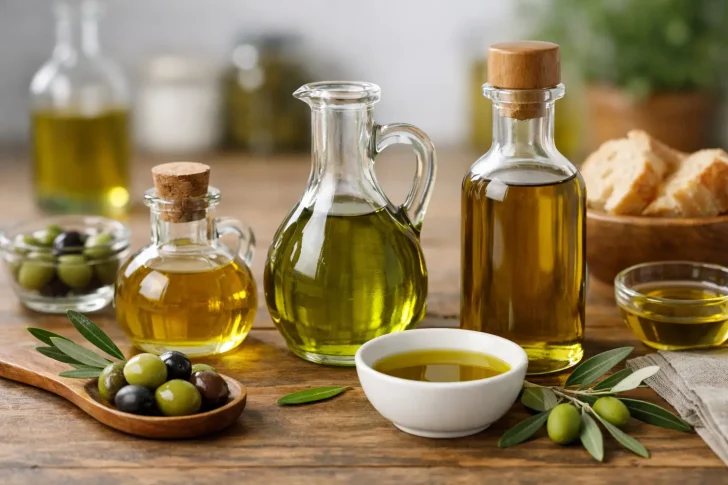
Choose a fresh extra-virgin olive oil labeled for everyday cooking, ideally one with a mild to medium fruitiness. It should smell pleasantly fresh, like cut grass, green almonds, or ripe olives, never waxy, stale, or crayon-like. A bottle that tastes good on a spoon will usually treat your roasted potatoes well.
You do not need the most expensive bottle in the shop. In fact, roasting is a smart place for a reliable mid-priced extra-virgin olive oil. Look for a harvest date if available, buy a dark bottle or tin, and keep it away from the stove and direct sunlight. Olive oil is a fresh ingredient, not a forever pantry decoration.
A bold, peppery oil can be wonderful with broccoli rabe, mushrooms, lamb, or garlic-heavy vegetables. For delicate squash, chicken, or sweet carrots, a gentler oil keeps the natural sweetness in focus. Refined olive oil has a milder taste and can work at very high temperatures, but it will not give you the same character as extra virgin.
Can You Roast With Extra-Virgin Olive Oil?
Absolutely. For everyday roasting temperatures around 400 to 450°F, extra-virgin olive oil is a practical, flavorful choice. The exact smoke point varies by oil quality and freshness, but roasting is not the same as leaving oil alone in a screaming-hot skillet. The vegetables contain moisture, and the oil is spread across food rather than sitting in a deep pool.
The key is to avoid a pan crowded with wet vegetables and a coating of oil so heavy it turns the food greasy. Use enough to lightly gloss every piece. That promotes browning, carries seasoning, and helps the edges turn crisp.
Recipe Description: Crispy Olive Oil Roasted Vegetables
This is the sheet-pan recipe I make when dinner needs a bright, dependable side without another pot to wash. Yukon Gold potatoes become creamy in the middle and crisp at the corners, while carrots and red onion turn sweet and jammy. Fresh rosemary, garlic, and a squeeze of lemon give the whole pan a restaurant-worthy finish.
It is flexible, too. Serve these roasted vegetables beside roast chicken, tuck them into grain bowls, pile them into a warm pita with feta, or set them out on a platter for a casual dinner party. The secret is not complicated: give everything room, use the right olive oil, and let the oven do its golden, crackly thing.
Ingredients
For 4 servings, you will need 1 pound Yukon Gold potatoes, cut into 1-inch pieces; 4 medium carrots, cut on a diagonal; 1 red onion, cut into 1-inch wedges; 3 tablespoons mild or medium extra-virgin olive oil; 1 teaspoon kosher salt; 1/2 teaspoon freshly ground black pepper; 1 teaspoon chopped fresh rosemary; and 2 garlic cloves, thinly sliced. Finish with 1 teaspoon lemon zest, 1 tablespoon fresh lemon juice, and flaky salt if you have it.
Tools You Need
Grab a large rimmed sheet pan, parchment paper if you like easier cleanup, a large mixing bowl, a sharp knife, and a sturdy spatula. A dark metal sheet pan tends to brown vegetables more aggressively than a light-colored one, so check a few minutes early if yours runs hot.
How to Roast Vegetables With Olive Oil
1. Heat the pan and prep the vegetables
Place an oven rack in the upper-middle position and heat the oven to 425°F. Let the sheet pan preheat in the oven while you cut the vegetables. This small move gives the potatoes a head start on browning.
Keep the potato and carrot pieces roughly the same size. Dry them well after washing. Water creates steam, and steam is the enemy of crisp roasted vegetables.
2. Coat, but do not drown
In a large bowl, toss the potatoes, carrots, and onion with olive oil, kosher salt, pepper, and rosemary. Every piece should look lightly shiny, not slick. Add the garlic later because its thin slices can burn before the denser vegetables are tender.
Carefully spread the vegetables over the hot sheet pan in one even layer. Leave little gaps wherever you can. If the pan looks crowded, use a second pan. This is the difference between caramelized edges and steamed sadness.
3. Roast until deeply golden
Roast for 20 minutes, then remove the pan and turn the vegetables with a spatula. Scatter over the garlic and return the pan to the oven for 15 to 20 minutes more. The potatoes should be easily pierced with a fork, with crisp browned corners, and the carrots should have dark, sweet-looking blisters.
If the onions are getting too dark before the potatoes are ready, move them toward the center of the pan when you flip everything. Ovens have personalities, fellow food lover, so use the visual cues rather than trusting the timer alone.
4. Finish and plate
Transfer the hot vegetables to a wide serving platter rather than leaving them on the sheet pan. This stops the bottoms from steaming and looks instantly more inviting. Sprinkle with lemon zest, squeeze over lemon juice, and add flaky salt just before serving.
For a prettier finish, add a few tiny rosemary leaves and a final delicate drizzle of your nicest extra-virgin olive oil. That last drizzle is where an intensely fruity or peppery oil earns its keep.
Extra Tips and Easy Variations
If you are wondering how much olive oil to use for roasted vegetables, three tablespoons for about two pounds of vegetables is a useful starting point. Very absorbent vegetables, such as eggplant, may need a little more. Asparagus and tender zucchini need less and should roast for a shorter time.
For roasted chicken and vegetables, use the same mild-to-medium olive oil and choose sturdy vegetables like potatoes, carrots, Brussels sprouts, or fennel. Put the chicken on a separate pan if you want the vegetables especially crisp. Chicken juices are delicious, but they can keep those edges from browning.
Want a cozier version? Toss the finished pan with grated Parmesan and chopped parsley. For a spicy, smoky platter, add smoked paprika before roasting and red pepper flakes at the end. You can also swap rosemary for thyme, oregano, or a pinch of cumin, depending on what dinner needs.
FAQ: Best Olive Oil for Roasting
Is extra-virgin olive oil better than regular olive oil for roasting?
Extra-virgin olive oil is better when you want real olive flavor and are roasting at standard temperatures. Regular or refined olive oil is a fine option for a more neutral result or exceptionally hot cooking.
What temperature is best for roasting vegetables with olive oil?
A 425°F oven is the sweet spot for many vegetables. It browns potatoes, carrots, cauliflower, and onions beautifully without requiring a long wait. Softer vegetables may do better at 400°F.
Why are my olive oil roasted vegetables soggy?
The usual culprits are crowded pans, wet vegetables, too-low oven heat, or too much oil. Spread vegetables in a single layer and use two pans when needed.
Should I use expensive olive oil for roasting?
Use a fresh, good-quality everyday extra-virgin olive oil. Save your rare, expensive finishing oil for drizzling over the cooked vegetables, where its flavor is easier to notice.
Can I reuse olive oil from a roasting pan?
If the oil is clean and not scorched, you can strain and use it within a day or two for cooking. If it contains burned garlic bits, smells acrid, or has lots of food debris, discard it.
The next time a sheet pan dinner feels a little flat, start with a fresh bottle of olive oil and give the vegetables breathing room. You do not need chef tricks to make food feel special, just a few smart choices and enough patience to let those edges get gloriously golden.
Image Details
Image prompt: RAW editorial food photograph of crispy olive oil roasted Yukon Gold potatoes, carrots, and red onion on a rustic ceramic platter, visible lemon zest, rosemary, flaky salt, and a dark glass olive oil bottle in the background; cinematic natural window lighting, warm late-afternoon shadows, 35mm lens, f/1.8, high detail, sharp focus, authentic roasted textures, landscape 3:2 composition.
Alt text: Crispy roasted potatoes, carrots, and red onion made with the best olive oil for roasting on a rustic serving platter.
Image title: Best Olive Oil for Roasting Vegetables
Caption: A fresh extra-virgin olive oil helps these roasted vegetables develop crisp edges, rich flavor, and a golden finish.
Image description: Landscape 3:2 RAW-style food image showing olive oil roasted potatoes, carrots, and red onion with rosemary, lemon, and flaky salt in cinematic natural light.