How to Season Olive Oil for Bright, Big Flavor
A plain bottle of olive oil can make dinner feel a little flat. So, how do you season olive oil without turning it bitter, cloudy, or unsafe to keep? The easiest answer is to gently warm good extra-virgin olive oil with dried aromatics, then use it as a dipping oil, finishing drizzle, or instant upgrade for bread, vegetables, pasta, and grilled chicken.
Listen, I get it: those little bottles of flavored oil at specialty markets look fancy. But homemade seasoned olive oil is wildly simple, and you get to control whether it leans garlicky, peppery, lemony, or full-on Italian-herb delicious. This version has savory garlic, chile warmth, fragrant herbs, and bright citrus zest, without any complicated technique.
Recipe Description
This easy seasoned olive oil recipe makes a fragrant, restaurant-style dipping and drizzling oil with dried garlic, rosemary, oregano, red pepper flakes, black pepper, and lemon zest. It is gently warmed rather than fried, so the flavors bloom without scorching the oil. Serve it with crusty bread, spoon it over creamy burrata, brush it on vegetables before roasting, or finish a bowl of tomato soup with a glossy swirl.
A Little History Behind Flavored Olive Oil
Olive oil has been infused and seasoned around the Mediterranean for generations, often with whatever was abundant nearby: herbs from the garden, dried chiles, garlic, citrus peel, and warm spices. In Italian restaurants across the US, seasoned oil and bread became a beloved table starter, even though the exact herb blend changes from one kitchen to another.
The home-cook version is less about following one strict tradition and more about building the flavor you want. A peppery California extra-virgin olive oil loves lemon and rosemary. A mild, buttery oil can carry garlic and oregano beautifully. The trick is treating the oil gently, because high heat can flatten its fresh flavor and make dried herbs taste dusty.
Ingredients for Seasoned Olive Oil
For about 1 cup of olive oil, you will need:
- 1 cup extra-virgin olive oil
- 1 teaspoon dried garlic flakes or dried minced garlic
- 1 teaspoon dried rosemary, lightly crushed between your fingers
- 1 teaspoon dried oregano
- 1/2 teaspoon red pepper flakes, plus more for heat
- 1/2 teaspoon freshly ground black pepper
- 1 wide strip of lemon zest, removed with a vegetable peeler
- 1/4 teaspoon kosher salt, optional
Choose an olive oil you already enjoy on its own. There is no need to use the most expensive bottle on the shelf, but avoid oil that tastes stale, waxy, or harsh. Fresh extra-virgin olive oil should smell grassy, fruity, peppery, or pleasantly green.
A quick note on ingredients: dried aromatics are the safer choice for a make-ahead infused oil. Fresh garlic, fresh herbs, and fresh chile can introduce moisture and carry a food-safety risk when stored in oil. If you use them, refrigerate the oil immediately and use it within a few days. For an easy, dependable pantry version, stick with dried seasonings.
Tools You Need
You only need a small saucepan, a heatproof measuring cup or jar, a fine-mesh strainer, and a clean bottle or jar with a lid. A vegetable peeler makes neat lemon-zest strips, while a small funnel keeps the bottling step mess-free.
Use a completely clean, dry jar. Water is the enemy here: it makes the oil cloudy and shortens its shelf life.
How to Season Olive Oil Step by Step
Warm the oil slowly
Pour the olive oil into a small saucepan and set it over the lowest heat. You are not trying to fry anything. Warm it just until it feels loose and fragrant, about 3 to 5 minutes. If the oil sizzles, smokes, or bubbles, pull the pan off the heat and let it cool slightly.
Add the aromatics
Stir in the dried garlic, rosemary, oregano, red pepper flakes, black pepper, lemon zest, and optional salt. Let the mixture sit over very low heat for 2 minutes, stirring once or twice. The kitchen should smell bright and herby, not toasted or burnt.
Remove the pan from the heat. Cover it loosely and let the oil steep for 20 to 30 minutes. Taste it after 20 minutes by dipping in a piece of bread. If you want a more assertive flavor, let it sit another 10 minutes. Longer is not always better, especially with rosemary and citrus zest, which can turn medicinal or bitter.
Strain and store
Strain the oil into a clean, dry jar or bottle. You can leave in a few red pepper flakes for looks, but remove the garlic, herbs, and zest if you want the cleanest flavor and best storage results.
Store the seasoned olive oil in a cool, dark cupboard for up to 1 week for peak flavor. If your kitchen runs warm, keep it in the refrigerator and let it stand at room temperature for 15 minutes before serving. Olive oil may look cloudy when chilled, but that is normal and clears as it warms.
Final Plating and Serving Ideas
For a seriously pretty bread-dipping plate, pour a few tablespoons of the seasoned oil onto a shallow dish. Add a pinch of flaky salt, extra cracked pepper, a few red pepper flakes, and a tiny curl of lemon zest. Set out warm focaccia, toasted sourdough, or grilled pita and watch it disappear.
This garlic herb olive oil also shines as a finishing move. Drizzle it over whipped ricotta with roasted grapes, spoon it on crispy smashed potatoes, or use it to wake up a simple bowl of white beans. For pasta night, toss hot noodles with a few tablespoons of the oil, grated Parmesan, and a squeeze of lemon. It is the kind of small move that makes a Tuesday dinner feel like you planned ahead.
Extra Tips and Flavor Variations
If you love a bold garlic flavor, use dried garlic slices instead of powder. Garlic powder can make the oil look murky and settle at the bottom, while dried flakes strain out neatly. If your oil tastes bitter after steeping, the heat was probably too high or the herbs steeped too long. Blend it with fresh plain olive oil to soften the intensity.
For a spicy chili oil, double the red pepper flakes and add 1/2 teaspoon smoked paprika. For a warm pizza-shop profile, use oregano, dried basil, garlic, fennel seed, and chile flakes. For a citrusy seafood oil, skip the oregano and use lemon zest, dried thyme, black pepper, and a tiny pinch of fennel seed.
Do not use this seasoned oil for high-heat searing. Its best job is finishing, dipping, brushing, and gentle roasting. Heat will mute the delicate herb and citrus notes you worked to build.
Photo Direction for Google Discover
Image prompt: RAW editorial food photograph of homemade seasoned olive oil in a shallow ceramic dipping bowl, glossy golden extra-virgin olive oil with red pepper flakes, dried rosemary, lemon zest, and cracked black pepper; torn warm sourdough beside it on a rustic linen napkin, moody cinematic window lighting, authentic kitchen textures, 35mm lens, f/1.8, high detail, sharp focus, landscape 3:2 composition.
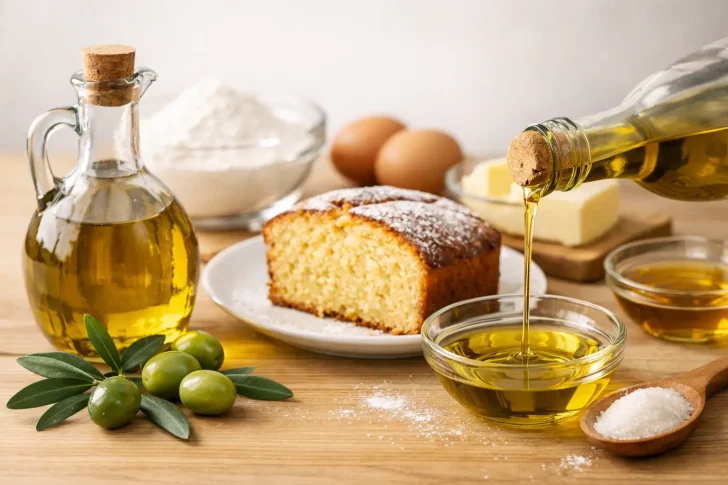
Alt text: Homemade seasoned olive oil with garlic, dried herbs, lemon zest, and red pepper flakes served with warm sourdough bread.
Image title: How to Season Olive Oil with Garlic and Herbs
Caption: A bright, garlicky herb olive oil turns warm bread into the easiest appetizer on the table.
Image description: Cinematic landscape food photo of golden homemade seasoned olive oil in a ceramic dish, flavored with dried garlic, rosemary, oregano, lemon zest, black pepper, and red pepper flakes, served with rustic sourdough.
Frequently Asked Questions
Can I season olive oil with fresh garlic?
You can, but it should be refrigerated right away and used within a few days. Fresh garlic in oil is not a room-temperature pantry ingredient. For a safer make-ahead bottle, use dried garlic flakes instead.
How long does homemade seasoned olive oil last?
For the best flavor, use a dried-aromatic version within 1 week. Keep it cool and dark, and always discard it if it smells off, looks unusually cloudy at room temperature, or develops any signs of spoilage.
Should I add salt to infused olive oil?
You can, but salt does not dissolve in oil. It settles at the bottom, so it is often better to season the serving dish with flaky salt instead. That gives you more control over every bite.
Can I use seasoned olive oil for salad dressing?
Absolutely. Whisk 3 tablespoons of the oil with 1 tablespoon lemon juice or vinegar, a teaspoon of Dijon mustard, and a pinch of salt. It makes a fast vinaigrette with no extra herbs required.
Why did my olive oil turn cloudy?
Cold temperatures can make olive oil cloudy or partially solid, and that is harmless. Let it come back to room temperature. If it is cloudy because fresh ingredients were added, refrigerate it and use it quickly.
The next time dinner needs a little spark, put this oil on the table before you even plate the meal. Warm bread, a shallow dish, and one fragrant pour can make ordinary ingredients feel like an occasion.