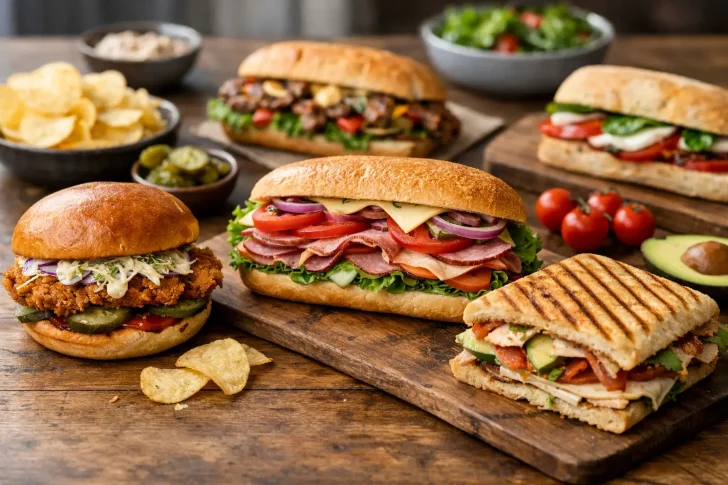
How to Build Sandwich Platters That Wow
Got people coming over and no interest in being trapped in the kitchen while everyone else eats? That’s exactly when learning how to build sandwich platters pays off. A good platter looks generous, tastes varied, and feels a little special, but it’s also one of the easiest ways to feed a group without cooking to order.
As a home cook, I love sandwich platters because they solve two problems at once: they’re practical, and they still feel fun. You can make them ahead, mix classic and more flavor-forward fillings, and build something that works for picky eaters and adventurous ones in the same spread. If you’ve ever ended up with soggy bread, too much filling, or a tray that looked messy five minutes after serving, this is the fix.
A quick look at sandwich platters
Sandwich platters have been party food for decades for a reason. Tea sandwiches, deli trays, club sandwich boards, picnic spreads – they all come from the same idea: feed a crowd with food that’s easy to grab, easy to portion, and easy to customize. In the US, the deli-style sandwich platter became a standby for office lunches, baby showers, game days, holiday gatherings, and casual family events because it feels familiar but still generous.
The best part is that a platter can lean classic or creative. You can go with ham and Swiss, turkey and cheddar, chicken salad, and veggie stacks, or push it a little with olive tapenade, herby cream cheese, peppery greens, and spicy mayo. It depends on who you’re feeding and how formal the occasion is.
Recipe description
This sandwich platter recipe is a flexible, crowd-friendly method for building a beautiful assortment of party sandwiches using soft bread, flavorful spreads, deli meats, cheese, crisp vegetables, and garnishes. The goal is to create a balanced platter with a mix of textures, colors, and fillings that can be prepped ahead and served for brunch, lunch, picnics, holidays, or casual entertaining. The finished platter is hearty, colorful, and easy for guests to serve themselves.
Ingredients for a balanced sandwich platter
For a platter that serves about 8 to 10 people, I like to build around four sandwich styles. That gives enough variety without turning prep into a full catering job.
You’ll need 3 to 4 loaves total of assorted breads such as soft white sandwich bread, whole wheat, rye, mini croissants, slider buns, ciabatta rolls, or wraps. For proteins, use about 2 to 2 1/2 pounds total of sliced turkey, ham, roast beef, chicken salad, tuna salad, or egg salad. For cheese, plan on 1 to 1 1/2 pounds total of cheddar, Swiss, provolone, havarti, or mozzarella.
Add crisp vegetables and extras like romaine or butter lettuce, sliced tomatoes, cucumber, red onion, pickles, roasted red peppers, banana peppers, sprouts, or arugula. Spreads matter more than people think, so include mayo, mustard, Dijon, pesto, hummus, flavored cream cheese, or aioli. For finishing the platter, have grapes, berries, chips, olives, sliced pickles, or fresh herbs ready.
If you’re wondering how much food you actually need, a safe rule is 1 1/2 to 2 full sandwiches per adult if this is the main meal. If there are lots of sides, you can scale down a bit.
Tools and equipment needed
You do not need fancy gear, but a few things make the process smoother. Grab a large cutting board, a serrated knife for clean sandwich cuts, small offset spatula or butter knife for spreads, parchment paper, toothpicks or sandwich picks, and one large platter or a couple of smaller trays.
If you’re making platters ahead for a party, sheet pans and plastic wrap help with storage before assembly. A damp paper towel also comes in handy for keeping cut vegetables fresh and crisp in the fridge.
How to build sandwich platters step by step
Start with a plan, not random sandwiches
The easiest mistake is making every sandwich different. It sounds fun, but it turns the prep chaotic. Instead, choose three or four combinations and repeat them.
A simple mix might be turkey, cheddar, lettuce, and Dijon on wheat; ham, Swiss, and honey mustard on soft white; veggie hummus with cucumber and roasted peppers on ciabatta; and chicken salad on mini croissants. That gives you variety in flavor, color, and texture without buying half the grocery store.
Prep ingredients with sogginess in mind
Before you assemble anything, pat wet ingredients dry. Tomatoes, pickles, roasted peppers, and washed lettuce can all leak moisture into bread. That is usually the reason party sandwiches get sad fast.
Spread condiments edge to edge to create a little barrier, then layer lettuce or cheese next to the bread before adding wetter fillings. If you’re using salad-style fillings like chicken salad or tuna salad, keep the layer moderate. Overstuffed sandwiches look generous for one minute and sloppy for the next hour.
Assemble and portion for easy serving
When I’m making a sandwich platter recipe for entertaining, I cut most sandwiches into halves or quarters. Smaller pieces make the tray look fuller, and guests can try more than one type.
Use a serrated knife and wipe it between cuts for neat edges. For tea sandwich style platters, trim crusts if you want a cleaner, more polished look. For rustic lunch platters, leave crusts on and lean into the hearty feel.
Arrange by contrast
This is the part that makes a homemade platter look genuinely inviting instead of cafeteria-style. Group sandwiches by type, but place contrasting colors next to each other. Pale turkey sandwiches next to dark rye roast beef look better than two beige options side by side.
Fan the pieces in rows or soft arcs rather than stacking them flat. Tuck garnishes into open spaces – grapes, pickles, herb sprigs, or small piles of kettle chips work well. The platter should look abundant, but not crowded to the point where nobody can grab anything without collapsing the arrangement.
Best sandwich combinations for platters
If you want reliable crowd-pleasers, start here. Turkey with cheddar, lettuce, and cranberry mayo is great for fall and holiday lunches. Ham with Swiss and honey mustard is classic for a reason. Roast beef with provolone, arugula, and horseradish mayo has a little more edge. Hummus with cucumber, spinach, and roasted red pepper gives vegetarians an option that doesn’t feel like an afterthought.
For softer, richer platters, chicken salad on croissants and egg salad on pullman bread both work beautifully. If the platter will sit out for a while, deli meats and sliced cheeses usually hold up better than heavily mayo-based fillings.
Final plating and decoration
A good sandwich platter should feel finished, not dumped onto a tray. Line the platter with parchment if you want easy cleanup, or place sandwiches directly on the board for a more abundant look. Arrange the larger sandwiches first, then fill gaps with smaller pieces and garnishes.
Fresh herbs like parsley or dill add color without much effort. Fruit makes the platter feel brighter and helps break up all the savory elements. Pickles and olives add contrast and are especially helpful if your sandwiches lean rich.
If you’re serving outdoors or over a longer stretch, keep the platter chilled until close to serving time. For warm rooms, setting the tray over a second tray filled lightly with ice can help, especially with chicken salad, tuna salad, or cream cheese-based fillings.
Extra tips and ingredient variations
If you’re still figuring out how to build sandwich platters for different events, match the bread and fillings to the occasion. Mini croissants and crustless tea sandwiches feel right for showers and brunches. Sub roll sections and wraps work better for game day or casual lunches. Kids usually prefer simpler fillings and softer breads, while adult party platters can handle bolder spreads and greens.
Think about dietary balance too. One vegetarian option is smart even if nobody requested it. A lower-sodium or lighter sandwich can also be useful when the platter is part of a larger spread with salty sides.
And listen, I get it – sometimes the budget matters. You do not need premium deli everything to make a platter look expensive. What helps most is variety, clean cuts, thoughtful arrangement, and one or two flavor upgrades like pesto mayo, pickled onions, or a really good sharp cheddar.
FAQs
How far ahead can I make sandwich platters?
You can assemble most sandwich platters about 4 to 24 hours ahead, depending on the fillings. Deli meat and cheese sandwiches hold best. Wrap them tightly and keep them chilled, then garnish right before serving.
How do you keep sandwich platters from getting soggy?
Dry vegetables well, use spreads as a barrier, and place lettuce or cheese against the bread before wetter ingredients. Avoid assembling with very juicy tomatoes too far in advance.
How many sandwiches do I need for 10 guests?
For a main meal, plan on 15 to 20 full sandwiches total, depending on appetites and side dishes. If you’re cutting them into halves or quarters, the platter will look generous and easier to serve.
What bread works best for sandwich platters?
Soft sandwich bread, whole wheat, rye, ciabatta, slider buns, wraps, and mini croissants all work well. The best choice depends on the filling and how long the sandwiches need to hold.
What should I serve with a sandwich platter?
Chips, fruit, pickles, pasta salad, green salad, soup, or a simple veggie tray all pair well. For parties, a mix of crunchy, fresh, and briny sides usually makes the whole spread feel more complete.
If you want your platter to disappear fast, build it with the same care you’d give a single really good sandwich. People can tell the difference, and that extra bit of attention is what turns easy party food into something everyone talks about after the plates are empty.