How to Make Compound Butter at Home
Ever finish a good steak, a warm roll, or a baked potato and feel like it still needs one small thing? That thing is usually butter – and if you’ve been wondering how to make compound butter, the answer is wonderfully simple. You take softened butter, mix in bold flavor boosters, shape it, chill it, and suddenly everyday food tastes like you tried a lot harder than you actually did.
As a home cook, I love recipes that pull more weight than they should. Compound butter is one of them. It can make grilled corn taste party-ready, rescue plain chicken breasts, and turn a piece of toast into something you hover over at the counter. It’s easy, flexible, and honestly one of the smartest make-ahead kitchen tricks you can keep in your fridge.
What compound butter is and why it works
Compound butter is simply butter mixed with other ingredients, usually herbs, garlic, spices, citrus zest, cheese, or something sweet. The French version is often called beurre composé, but the idea is universal. Cooks have long used flavored butter to finish meats, enrich sauces, and add a final layer of flavor without needing another complicated step.
The reason it works so well is pretty straightforward. Butter carries flavor beautifully. Fat softens sharp ingredients like raw garlic, rounds out herbs and spices, and melts into food in a way that feels rich instead of heavy when used well. A small slice on hot food becomes a sauce all by itself.
Recipe description
This homemade compound butter recipe is a quick, flavor-packed kitchen staple made with softened unsalted butter, fresh garlic, chopped herbs, lemon zest, and a pinch of salt. It’s creamy, savory, bright, and endlessly versatile. Use it on steak, salmon, corn, bread, pasta, roasted vegetables, or tucked under the skin of a roast chicken for an easy flavor upgrade that feels a little fancy without being fussy.
Ingredients for homemade compound butter
For a classic garlic herb compound butter, you’ll need 1 cup unsalted butter, softened; 2 small garlic cloves, finely grated or minced; 1 tablespoon chopped parsley; 1 teaspoon chopped chives; 1 teaspoon chopped thyme; 1 teaspoon lemon zest; 1/4 teaspoon kosher salt; and 1/8 teaspoon black pepper.
Unsalted butter is the best place to start because it gives you control over seasoning. If you only have salted butter, you can still use it – just reduce or skip the added salt and taste before chilling. Fresh herbs give the cleanest flavor, though dried herbs can work in a pinch if you use less.
If you want a sweeter compound butter, the same method works with honey, cinnamon, maple syrup, orange zest, or vanilla. It depends on what you’re serving. Savory compound butter is the all-purpose workhorse, but sweet versions are excellent on biscuits, pancakes, and quick breads.
Tools you need
You do not need special equipment here, which is part of the charm. A medium mixing bowl, a fork or small spatula, a chef’s knife, and a sheet of parchment paper or plastic wrap will do the job. If you want an extra-smooth butter, you can use a hand mixer, but I usually don’t bother unless I’m making a larger batch.
A microplane is especially helpful for garlic and citrus zest. It gives you very fine pieces that blend evenly into the butter, so you don’t bite into a harsh chunk of raw garlic.
How to make compound butter step by step
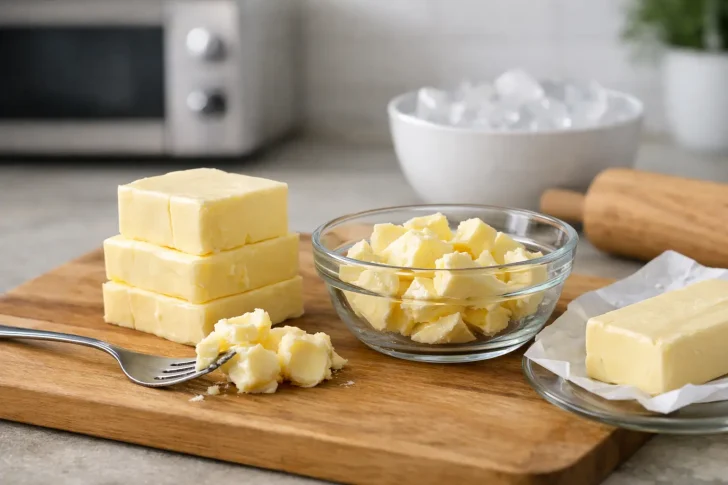
Start by letting your butter soften at room temperature. You want it soft enough to stir easily but not melted. If it gets shiny and greasy, it’s too warm, and the mix can turn loose instead of creamy.
Place the softened butter in a bowl and add the garlic, parsley, chives, thyme, lemon zest, salt, and pepper. Mash and stir with a fork or spatula until everything is evenly distributed. Scrape the bowl a couple of times as you go so you don’t end up with one herby side and one plain side.
At this point, taste it. Yes, really. It’s the easiest way to adjust the balance before chilling. If it needs more brightness, add a little more zest. If you want stronger herb flavor, stir in another pinch. If raw garlic feels too aggressive, let the butter sit for 5 to 10 minutes before tasting again. The butter softens that edge pretty quickly.
Once mixed, spoon the butter onto parchment or plastic wrap and shape it into a log, about 1 1/2 inches thick. Roll it up tightly, twisting the ends to secure. You can also press it into a small ramekin if you want a scoopable presentation for the table.
Chill for at least 1 hour, or until firm. After that, slice into rounds and use as needed. The flavor actually improves a bit after the butter rests, so making it ahead is a smart move.
How to make compound butter without overthinking it
If you’re learning how to make compound butter for the first time, keep your ratio simple: 1 cup of butter to 2 to 4 tablespoons total mix-ins is a great baseline. That gives you enough flavor without making the butter crowded or hard to spread.
The main trade-off is moisture. Ingredients like lemon juice, hot sauce, or maple syrup can taste great, but too much liquid can make the butter loose. Zest, chopped herbs, grated cheese, roasted garlic, and dry spices are easier to control. If you do use a liquid ingredient, start small.
Final plating and serving ideas
This is where compound butter really earns its keep. Slice a round over a hot steak and let it melt into the juices. Spread it over warm dinner rolls, cornbread, or garlic bread. Toss a pat into cooked pasta with a splash of pasta water for a fast, glossy sauce.
For vegetables, try it on roasted carrots, grilled asparagus, green beans, or corn on the cob. For seafood, it’s excellent on salmon, shrimp, or seared scallops. You can also slide a few coins of garlic herb butter under the skin of a chicken before roasting for flavorful, juicy meat and beautifully browned skin.
If you’re serving guests, a little presentation goes a long way. Slice the chilled butter cleanly and stack the rounds on a small dish with flaky salt or extra herbs scattered around. It looks polished without asking much from you.
Flavor variations worth trying
Once you know the basic method, you can make compound butter to match almost any meal. Garlic herb is the classic, but it’s hardly the only good option.
For steak night, try blue cheese and chive butter or smoked paprika and roasted garlic butter. For fish, lemon dill butter or caper parsley butter is fresh and punchy. For bread, sun-dried tomato butter or honey cinnamon butter can be absurdly good. And if you want something cozy for fall, maple pecan butter on sweet potatoes is hard to beat.
The only real rule is balance. Strong ingredients need restraint. Truffle oil, anchovies, chipotle, and blue cheese can all be amazing, but a little goes a long way.
Extra tips for the best compound butter
Listen, I get it – butter seems too easy to mess up. But a few details make a big difference. Use good butter if you can, because the flavor is front and center. Chop herbs finely so the butter slices neatly. Avoid adding watery ingredients in large amounts. And label your butter if you make a few kinds at once, because mystery butter can go sideways fast.
Storage matters too. Keep compound butter wrapped tightly in the fridge for up to 5 days, or freeze it for up to 3 months. I like to freeze the log, then cut off coins as needed. You can also freeze small scoops on a tray and transfer them to a container for easy single portions.
If your butter mixture looks streaky or separated, it was probably too cold or too warm when mixed. Room-temperature butter fixes most problems. If it’s too soft, chill it briefly and stir again.
FAQs
1. Can I use salted butter for compound butter?
Yes. Just reduce the added salt or skip it completely, then taste before chilling. Salted butter works fine, but the final flavor can vary by brand.
2. How long does compound butter last in the fridge?
It keeps well for about 5 days when wrapped tightly or stored in an airtight container. For longer storage, freeze it.
3. What is the best butter for compound butter?
Unsalted butter is usually best because you control the seasoning. A high-quality butter with good flavor will give you the best result since butter is the main ingredient.
4. Can I freeze homemade compound butter?
Absolutely. Wrap the log tightly and freeze for up to 3 months. Slice off what you need straight from the freezer or thaw slightly in the fridge.
5. What can I put in compound butter?
Fresh herbs, garlic, citrus zest, cheese, spices, honey, maple syrup, roasted garlic, shallots, and even chopped nuts all work. The best mix-ins depend on whether you want a savory or sweet butter.
A little jar or log of compound butter in the fridge is the kind of thing that makes dinner feel less repetitive and more intentional. Once you make it once, you’ll start looking at plain bread, vegetables, and weeknight proteins as opportunities instead of leftovers waiting to happen.