Best Cheese for Fondue, Explained
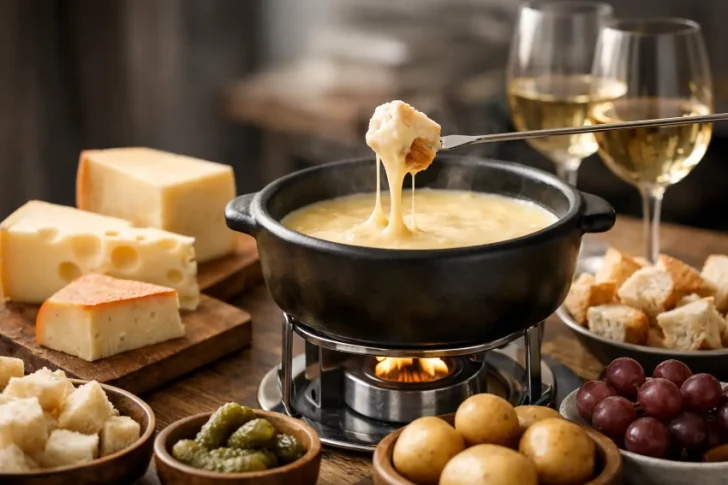
If your fondue has ever gone from dreamy and glossy to oily, stringy, or weirdly clumpy in the pot, the cheese is usually the reason. Not just the type, either – the blend. The best cheese for fondue is almost never a single cheese doing all the work. It is a team effort, and once you know which cheeses bring melt, flavor, and stability, homemade fondue gets a whole lot easier.
Fondue should feel a little festive and a lot low-stress. You want that smooth, savory swirl that coats bread without turning into glue five minutes later. So let’s talk about which cheeses are actually worth grating, which combinations taste the best, and how to choose a blend that fits your crowd.
What is the best cheese for fondue?
For most home cooks, the best cheese for fondue is a mix of Gruyere and Emmental. That classic pairing gives you the balance that fondue needs. Gruyere brings the nutty, salty, rich flavor. Emmental softens the sharpness and adds that mellow, buttery melt that keeps the whole pot from tasting too heavy.
If you want one answer and not ten caveats, start there. A half-and-half blend is dependable, crowd-pleasing, and close to the traditional Swiss style most people picture when they think of cheese fondue.
That said, there is some wiggle room. If you like a bolder, deeper cheese flavor, use more Gruyere. If you want a milder fondue for a mixed group or family night, lean a little more on Emmental. The best choice depends on whether you want your fondue cozy and subtle or rich with a little bite.
Why blends work better than a single cheese
Listen, I get it – using one cheese sounds easier. But fondue is one of those dishes where the blend really matters.
Some cheeses melt beautifully but taste mild. Others have fantastic flavor but can turn greasy or tight when heated. A smart fondue mix solves both problems at once. You are combining cheeses for taste and texture, not just tossing in whatever is in the fridge.
Gruyere and Emmental work because they cover each other’s weak spots. Gruyere gives fondue personality. Emmental keeps it approachable and smooth. That balance is exactly why the pairing has stuck around.
You can absolutely branch out, but the goal stays the same. Pick one cheese that melts cleanly and one that adds depth. Once you think about fondue that way, building your own blend gets much less intimidating.
The best cheeses for fondue, one by one
Gruyere
If fondue had a star player, this would be it. Gruyere is nutty, savory, slightly sweet, and deeply cheesy without being aggressive. It melts well and gives fondue that classic alpine flavor people go back for.
It can make a fondue feel richer and more complex, but on its own it may taste a little intense for some palates. That is why it shines even brighter in a blend.
Emmental
Emmental is the quiet hero. It is mild, buttery, and smooth-melting, which makes it ideal for balancing stronger cheeses. If Gruyere is the flavor engine, Emmental is the texture support.
Used alone, it can feel a little too gentle. In fondue, though, that gentleness is useful. It rounds things out and helps the pot stay mellow and silky.
Fontina
Fontina is a great option if you want something lush and creamy with a softer flavor profile. It melts beautifully and gives fondue a velvety texture that feels especially inviting for American home cooks who want comfort over sharpness.
The trade-off is that it does not have the same classic Swiss character. If tradition matters, use Fontina as part of the blend rather than the whole base.
Appenzeller
This one is punchier, earthier, and more assertive. A little Appenzeller can make fondue taste extra special, especially if you like more depth and funk. It is fantastic for a dinner party crowd that appreciates stronger cheese.
Too much, though, and it can overpower the pot. Think of it as a supporting cheese, not the entire plan.
Raclette
Raclette has that gorgeous melt and a rich, slightly funky flavor that feels made for cold-weather entertaining. It adds body and warmth in a way that is incredibly satisfying.
It is not always the easiest cheese to find depending on where you shop, and the flavor can get heavy if it is the main cheese. Blend it with Gruyere or Emmental for the best results.
Comte
Comte is polished, nutty, and layered, with a flavor that can taste a little fruity or browned-butter-like depending on the age. It is excellent in fondue if you want something elegant and deeply savory.
The downside is price. If you are feeding a crowd, Comte may not be the most budget-friendly choice for the whole pot. But mixed with more accessible cheeses, it can bring a lot of personality.
Cheeses that are not the best fit
Not every melty cheese belongs in fondue. Cheddar can taste great, but it tends to separate more easily and pushes the whole dish toward queso territory. Mozzarella gets stretchy instead of silky. Fresh goat cheese can make the texture chalky. Very aged hard cheeses, like straight Parmesan, add amazing flavor in tiny amounts but do not work as the main base.
That does not mean these cheeses are bad. They are just better in other dishes. Fondue needs smoothness more than drama.
Best cheese blends for different kinds of fondue nights
If you want a classic fondue, do equal parts Gruyere and Emmental. It is reliable, balanced, and exactly what most people hope fondue will taste like.
If you want a richer, more flavor-forward pot, try two parts Gruyere to one part Emmental, plus a little Appenzeller. That blend has more edge and feels ideal for adults gathered around the table with wine and plenty of bread.
If you want creamy and approachable, use Gruyere with Fontina. It is softer, rounder, and especially good if you are serving kids or guests who shy away from funkier cheeses.
If you want a dinner-party version with a little extra flair, mix Gruyere, Comte, and Raclette. It is luxurious without being fussy, and it tastes like you really thought this through.
How to choose the right fondue cheese at the store
Skip pre-shredded cheese if you can. It is often coated with anti-caking agents that can interfere with melting and make the fondue less smooth. Buy blocks and grate them yourself. It takes a few extra minutes and pays you back in texture.
Look for cheeses that feel firm but not dried out. With Gruyere or Emmental, you want good aroma and clean slices, not cracking edges or a sweaty surface. If your store has a cheesemonger, this is a great time to ask for a fondue-friendly wedge.
And if you are watching your budget, blend one pricier cheese with one more affordable one. Fondue does not have to be all luxury cheese to taste fantastic.
How cheese choice affects texture
Here is where fondue gets a little less romantic and a little more useful. The best flavor in the world will not save a fondue that breaks.
You want cheeses with good meltability and enough moisture and fat to turn fluid without separating. Alpine-style cheeses tend to do this well, which is why they show up again and again in fondue recipes. They melt into a cohesive sauce instead of turning rubbery or oily.
Age matters too. A very young cheese may be too bland. A very old cheese can get grainy or stiff when heated. For fondue, the sweet spot is usually a semi-firm, good-melting cheese with developed flavor but not extreme age.
A few easy fondue-saving tips
Even the best cheese for fondue needs a little help. Tossing grated cheese with cornstarch before adding it to the pot can help keep the mixture smooth. Adding the cheese gradually instead of all at once gives it a better chance to melt evenly.
Keep the heat gentle. High heat is where many fondue disasters begin. If the pot gets too hot, the proteins tighten up and the fats separate, and suddenly your cozy dinner has an oil slick on top.
Dry white wine also matters in traditional fondue because its acidity helps the cheese melt more smoothly. If you are making a non-wine version, you will usually want another acidic ingredient in the mix to help with balance and texture.
So what should you actually buy?
If you want the easiest answer, buy Gruyere and Emmental and call it a good night. That combination is classic for a reason, and it gives most home cooks the best shot at a fondue that tastes rich, melts smoothly, and feels special enough for company.
If you want to play a little, add Fontina for creaminess, Appenzeller for punch, Raclette for extra coziness, or Comte for a more layered flavor. Just keep your base grounded in cheeses that melt well and complement each other.
Fondue is one of those dishes that feels a lot fancier than it is. Once you choose the right cheeses, the rest gets much more fun – and a lot more delicious. If you are the kind of cook who loves turning simple ingredients into something everyone talks about after dinner, this is exactly your kind of pot.