
Why is my cheese fondue grainy?
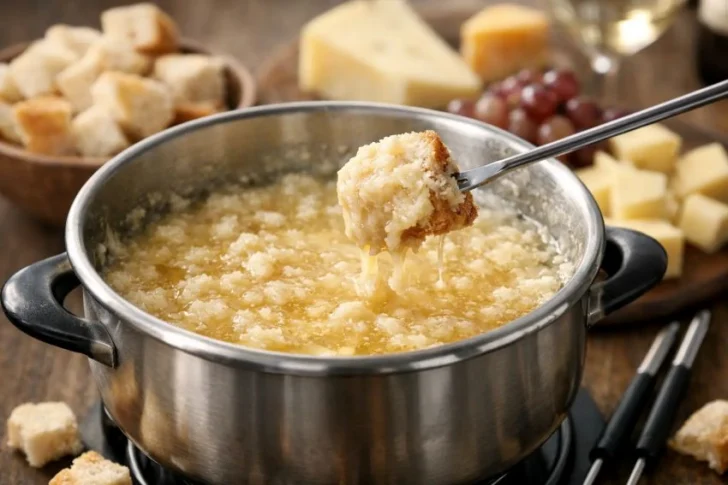
You had the whole cozy setup in mind – crusty bread, a warm pot, maybe a glass of wine – and then your fondue turned into a clumpy, gritty mess. Brutal. If you’re wondering, why is my cheese fondue grainy, the short answer is this: the cheese sauce broke.
That usually happens because the cheese got too hot, melted too fast, or didn’t have enough help staying smooth. Fondue sounds fancy, but it’s really a simple emulsion. When that balance slips, the proteins tighten up, the fat separates, and instead of glossy, dreamy fondue, you get graininess.
The good news? This is a very fixable problem, and once you know what causes it, your next pot can be velvety and scoopable instead of stubborn.
The biggest reason fondue gets grainy
Most grainy fondue comes down to heat. Cheese is happiest when it melts gently. When the temperature climbs too high, the proteins in the cheese seize and clump together. That creates the sandy or curdled texture that makes fondue feel more like a mistake than a party food.
This is especially common if you let the pot boil after adding cheese, or if you’re cooking it over direct high heat because you’re trying to speed things up. I get the temptation. Nobody wants to stand around waiting for cheese to melt. But fondue is one of those dishes that punishes impatience.
If your pot is bubbling hard, it’s too hot. You want warmth, not a rolling simmer.
Cheese choice matters more than most recipes admit
Not all cheeses melt the same way, and this is a huge reason home cooks end up disappointed. A classic fondue usually relies on cheeses like Gruyere, Emmental, and sometimes fontina. These melt smoothly and have the right balance of moisture and fat for fondue.
Very aged cheeses can get grainy more easily because they are drier and more prone to clumping. Pre-shredded cheese can also cause trouble. It often contains anti-caking agents that keep the shreds from sticking together in the bag, but those same additives can make your fondue feel slightly dusty or uneven once melted.
Freshly grated cheese is almost always the better move. It melts more cleanly and gives you a smoother finish.
There is also a trade-off here. A sharper, older cheese brings bigger flavor, but it can be trickier to melt. A younger cheese may melt beautifully but taste milder. The sweet spot is usually a blend – enough bold cheese for flavor, enough good-melting cheese for texture.
Why starch is the quiet hero of good fondue
If you’ve ever tossed cheese with cornstarch before adding it to the pot, that wasn’t just a chefy extra step. Starch helps stabilize fondue by coating the cheese and making it less likely to clump as it melts. It also helps bind the liquid and fat together so the mixture stays silky instead of splitting.
Without enough starch, especially in a wine-based fondue, melted cheese can go from smooth to grainy faster than you’d expect. A small amount makes a big difference.
Flour can work in some cheese sauces, but cornstarch is usually the better fit for fondue because it blends in more cleanly and keeps the texture light instead of pasty.
The liquid in your fondue does real work
Wine isn’t there just because fondue likes to feel a little glamorous. The acidity in dry white wine helps keep the cheese proteins relaxed, which makes the fondue smoother. That acidity is part of what helps prevent a tight, grainy texture.
If you skip the wine entirely, or replace it with a liquid that doesn’t have enough acidity, the fondue can be harder to keep stable. Lemon juice can sometimes help if you’re making a non-wine version, but the flavor has to fit. You don’t want your fondue tasting like a salad dressing experiment.
That said, too much liquid can create its own issue. If the ratio is off, the cheese may separate instead of melting into a cohesive sauce. Fondue has a bit of give, but not infinite flexibility.
A common mistake: adding all the cheese at once
Listen, I get it. You grate a whole pile of cheese and your first instinct is to dump it in and let destiny take over. But adding too much cheese at once can shock the mixture and lower your odds of getting a smooth melt.
The better approach is to add the cheese gradually, stirring constantly between additions. That gives each handful time to melt into the liquid before the next one goes in. It feels slightly slower, but it actually saves time because you’re far less likely to end up troubleshooting a broken pot.
Stirring matters too. Gentle, steady stirring helps keep everything moving without overworking it.
Can you fix grainy fondue once it happens?
Sometimes, yes. Not always perfectly, but often enough to save dinner.
If your fondue has just started to look grainy, take it off the heat right away. That alone can stop things from getting worse. Then try whisking in a small splash of warm white wine or a little lemon juice, depending on the flavor direction of your fondue. The added liquid and acidity can help loosen the texture.
If it still looks rough, whisk in a slurry made from a little cornstarch and cold wine or water. Start small. You want to stabilize the fondue, not turn it gloopy.
What usually does not help is blasting it with more heat. Once fondue starts breaking, more heat tends to make the proteins tighten even more.
If the cheese has fully seized and the fat has clearly separated, recovery gets harder. At that point, you may be able to improve it, but you probably won’t get it back to that gorgeous restaurant-style finish.
How to keep cheese fondue smooth from the start
If you’re asking why is my cheese fondue grainy because this keeps happening to you, a few simple shifts can change everything.
Start by grating your own cheese. Toss it with cornstarch before it goes near the pot. Warm your wine and aromatics first, but do not let the mixture boil wildly. Add the cheese by handfuls over low heat and stir until each addition is melted before adding more.
Once the fondue is smooth, keep it warm, not hot. That’s the part people often miss. You can make a perfect fondue on the stove and then ruin it at the table by letting the burner underneath run too aggressively. If the fondue starts bubbling, dial it down.
It also helps to use the right pot. A heavy pot distributes heat more evenly, which lowers the chance of hot spots that can scorch or overheat the cheese.
Ingredients that can make fondue more finicky
A few extras can push fondue into grainy territory if you’re not careful. Strong spirits like kirsch are classic in some recipes, but too much can throw off the balance. Very salty cheeses can tighten up faster. Low-fat cheese is usually a no-go for fondue because it lacks the richness needed for a smooth melt.
Even garlic can matter a little, though mostly for flavor. Rubbing the pot with garlic is traditional and lovely. Dumping in lots of minced raw garlic changes the texture more than you might want.
And if you’re experimenting with trendy twists, like blue cheese or cheddar-heavy blends, expect more variables. Delicious? Potentially. Foolproof? Not quite.
The best mindset for better fondue
Fondue is not hard, but it is sensitive. That’s really the whole story. It rewards gentle heat, thoughtful cheese choices, and a little restraint.
If your fondue came out grainy once, that doesn’t mean you’re bad at making it. It means the cheese got pushed a little too far. Next time, slow it down, grate the good stuff yourself, and let the pot stay cozy instead of scorching. That’s when the magic happens.
And honestly, when you get it right, cheese fondue feels like exactly the kind of low-effort, high-reward dish we love at The Faerietale Foodie – dramatic enough for guests, easy enough for a night when you just want dinner to feel a little special.
Your next batch doesn’t need to be perfect. It just needs to stay smooth long enough for that first glorious dip.


One Comment