What Is Finishing Olive Oil?
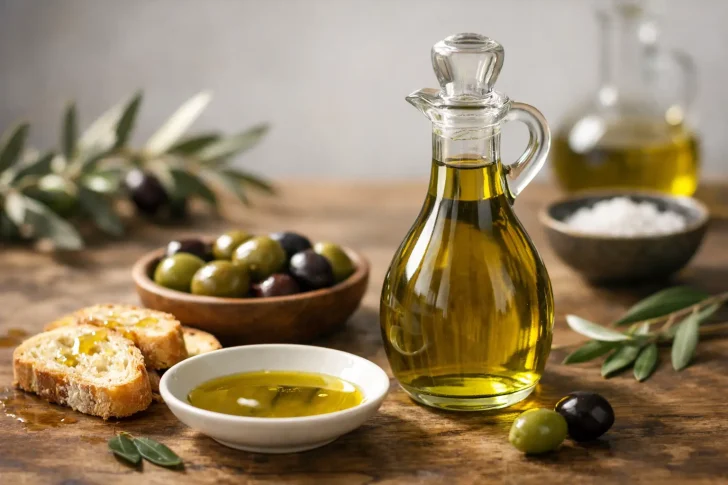
That last drizzle over tomato soup, burrata toast, or grilled steak? It can be the difference between dinner tasting good and dinner tasting like you absolutely knew what you were doing. If you’ve ever wondered what is finishing olive oil, the short answer is this: it’s olive oil used at the end of cooking, or right before serving, to add fresh flavor, aroma, and a glossy, luxurious finish.
Listen, I get it. Olive oil labels can feel weirdly vague. Extra virgin, cold pressed, robust, smooth, delicate, first harvest – suddenly you’re standing in the kitchen holding a bottle and asking whether this is for roasting vegetables or for your best bread-and-dip moment. The good news is that finishing olive oil is much easier to understand once you know what job it’s supposed to do.
What is finishing olive oil, exactly?
Finishing olive oil is an olive oil chosen for flavor, not just function. Instead of being used as the fat that cooks your onions or crisps your chicken, it’s added after cooking or at the table. That timing matters because heat softens and mutes many of olive oil’s most appealing qualities, especially its grassy, peppery, fruity notes.
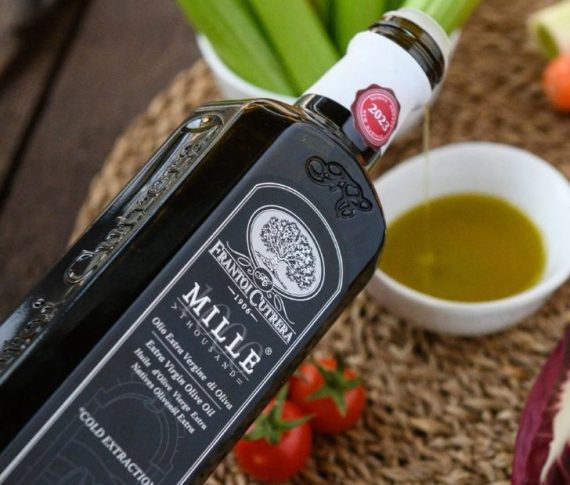
A finishing oil is usually extra virgin olive oil because extra virgin has the most pronounced flavor and aroma. It might taste peppery at the back of your throat, buttery on the tongue, or bright and green like fresh-cut herbs. When you drizzle it over a finished dish, you’re not just adding fat. You’re adding character.
That doesn’t mean every extra virgin olive oil is automatically a finishing oil in practice. Some bottles are mild and neutral enough that they’re better suited for everyday cooking. Others are so vibrant and expressive that using them only in a hot pan would feel like wasting the best part.
How finishing olive oil is different from cooking olive oil
The easiest way to think about it is this: cooking oil helps build a dish, while finishing olive oil helps complete it.
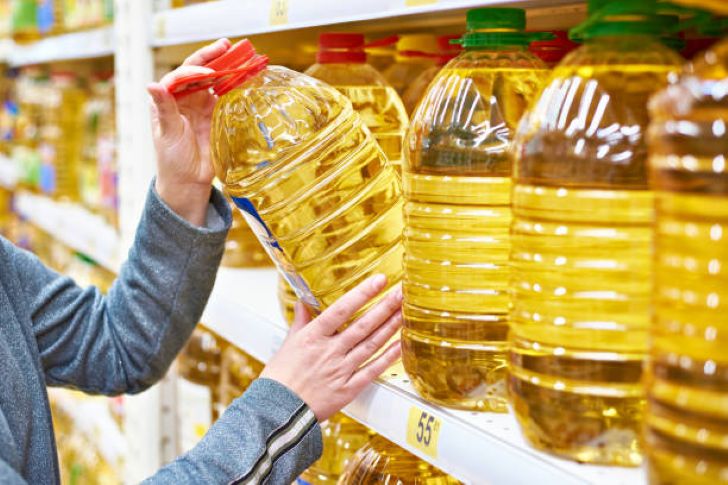
Cooking olive oil needs to be dependable, versatile, and affordable enough for regular use. You’re heating it, combining it with other ingredients, and letting the final dish carry the flavor. Finishing olive oil is more like seasoning. It shows up at the very end, when its flavor stays front and center.
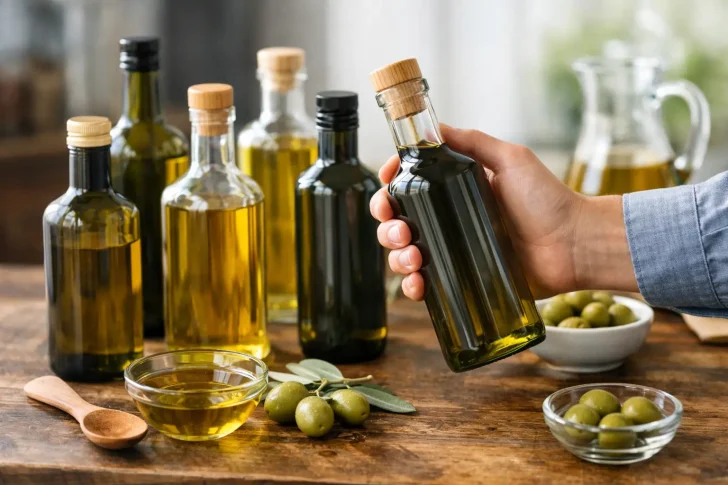
This is why people often keep two olive oils in the kitchen. One is the weeknight workhorse for sautéing, roasting, and pan-frying. The other is the special bottle that gets poured over hummus, soups, salads, grilled vegetables, pizza, eggs, or warm bread.
Price can be part of the difference, but not always. A more expensive oil isn’t automatically better for finishing, and a budget-friendly bottle can still taste fantastic. The real question is whether the oil has enough flavor to noticeably improve the dish.
What does finishing olive oil taste like?
This is where things get fun. A good finishing olive oil can taste fruity, peppery, grassy, nutty, floral, buttery, or pleasantly bitter. That bitterness is not necessarily a flaw. In fact, a little bitterness and pepperiness are often signs of fresh, well-made extra virgin olive oil.
Hey there, fellow food lover – if you’ve ever drizzled olive oil over vanilla ice cream, dark chocolate, or citrusy cake and thought, wait, why is this incredible, that’s the finishing-oil effect. It adds contrast. It wakes things up. It gives simple food more dimension.
The exact flavor depends on the olives, the region, the harvest time, and how the oil was processed. Some oils are soft and mellow, which makes them great over delicate foods like fresh mozzarella or white fish. Others are bold and punchy, which is exactly what you want on bean soup, bitter greens, or charred bread rubbed with garlic.
When should you use finishing olive oil?
Use it when the olive oil itself is meant to be tasted. That’s really the whole game.
A finishing drizzle makes sense on dishes that are already cooked and need brightness or richness. Think creamy soups, roasted carrots, bruschetta, avocado toast, caprese salad, grilled peaches, hummus, whipped ricotta, pasta, or even a fried egg. It also shines on foods with simple ingredients because there isn’t much else competing with it.
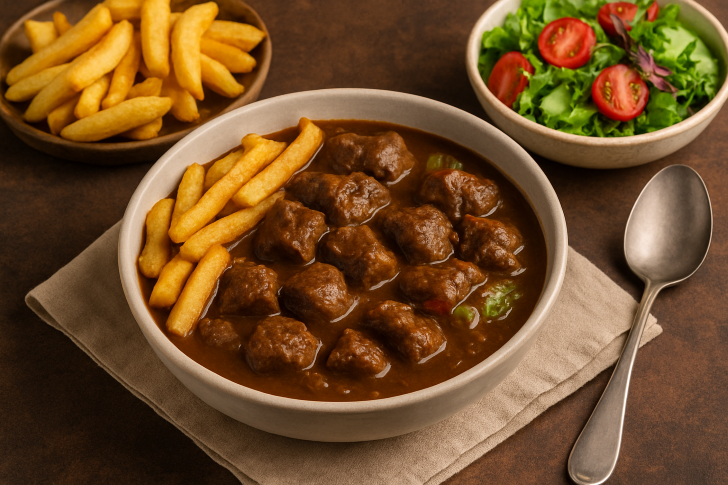
It matters less in dishes with lots of strong, overlapping flavors. If you’re making a heavily spiced chili or a saucy braise, a delicate finishing oil may disappear. In those cases, save the good stuff for something simpler.
There’s also a texture element. Finishing olive oil gives food a sleek, glossy look and a silky mouthfeel. That’s part of why restaurant dishes often look so appealing right before they hit the table.
How to choose a good finishing olive oil
You do not need a sommelier-level tasting vocabulary here. You just need a bottle that tastes fresh and lively to you.
Look for extra virgin olive oil with a harvest date if possible, not just a best-by date. Fresher oil usually tastes brighter. Dark glass or tins help protect it from light, which is good for flavor. If the label tells you where the olives are from, that’s often a plus, since traceability can suggest a little more care.
Once you taste it, trust your palate. If it tastes flat, waxy, or stale, don’t save it for finishing. If it tastes peppery, fragrant, and delicious enough that you’d happily dip bread into it, you’re on the right track.
There is an it-depends factor here. A bold Tuscan-style oil can be amazing over steak or white beans, but too intense for a delicate spring soup. A softer oil might be lovely on burrata and tomatoes but underwhelming on grilled lamb. Matching intensity to the dish is more useful than chasing one perfect bottle.
The biggest mistakes people make with finishing olive oil
The first mistake is using it like every olive oil is interchangeable. It isn’t. If a bottle has gorgeous flavor, you’ll get more out of it drizzled over finished food than burned off in a hot skillet.
The second mistake is saving it for only fancy occasions. Finishing olive oil is one of the easiest ways to make regular food taste special. A spoonful over lentil soup on a Tuesday still counts.
The third mistake is storing it badly. Heat, light, and air are not your friends here. Keep the bottle tightly closed, away from the stove, and out of direct sunlight. If it lives next to your oven for months, it’s going to lose the qualities you bought it for.
Simple ways to start using finishing olive oil tonight
Start small and obvious. Drizzle it over toasted sourdough with flaky salt. Pour it over tomato slices with a little basil. Add it to a bowl of creamy soup just before serving. Finish a plate of roasted potatoes with olive oil, lemon zest, and black pepper. Or spoon it over a scoop of hummus with warm pita and call it the easiest appetizer upgrade ever.
Once you get used to the effect, you’ll start noticing where that final touch fits naturally. A little on grilled chicken. A little over pasta with Parmesan. A little on ricotta-topped crostini with honey. It’s not about making food oily. It’s about adding one clean, flavorful top note right at the end.
Recipe description: Tomato Toast with Finishing Olive Oil
If you want one easy recipe that shows exactly why finishing olive oil matters, make tomato toast. It’s bright, juicy, crunchy, and wildly more delicious than the effort involved. Thick slices of toasted bread are rubbed with a cut clove of garlic, then topped with ripe chopped tomatoes, flaky salt, black pepper, and a generous drizzle of finishing olive oil. Fresh basil adds a sweet herbal note, and a spoonful of ricotta or whipped feta is optional if you want it a little richer.
To make it, toast 4 slices of sturdy bread until crisp at the edges but still tender in the center. Rub each slice lightly with garlic while it’s warm. In a bowl, combine 2 cups chopped ripe tomatoes with a pinch of flaky salt and black pepper, then spoon the mixture over the toast. Finish each piece with 1 to 2 teaspoons of your best olive oil and scatter basil on top. Serve right away while the toast still has crunch.
This recipe works because the finishing olive oil isn’t buried. You taste it with every bite. It mingles with the tomato juices, soaks into the bread just enough, and gives the whole thing that glossy, peppery finish that makes simple ingredients taste expensive.
If your kitchen has room for only one small upgrade right now, make it this one. A good finishing olive oil won’t do all the work for you, but it will make your best simple meals taste a whole lot more memorable.