How to Choose Olive Oil Without Guessing
That wall of olive oil bottles at the store can make a confident home cook feel weirdly indecisive. One says extra virgin, one says light, one has a countryside painting on the label, and suddenly choosing oil for tonight’s pasta feels more complicated than it should. If you’ve ever wondered how to choose olive oil without wasting money or ending up with a bottle that tastes flat, peppery in the wrong way, or just plain stale, you are absolutely not alone.
The good news is that olive oil does not have to be mysterious. You do not need a trained sommelier palate or a pantry full of imported bottles to buy a good one. You just need to know what the label is actually telling you, what kind of flavor you want, and how you plan to use it.
How to choose olive oil for the way you cook
The best olive oil is not always the fanciest bottle. It is the one that fits what you are making.
If you want an oil for salad dressing, bread dipping, drizzling over soup, or finishing grilled vegetables, reach for extra virgin olive oil. This is the least processed category, and it brings the most flavor. Depending on the olives and region, that flavor can be grassy, buttery, fruity, peppery, or pleasantly bitter.
If you want olive oil for roasting, sauteing, sheet pan dinners, or everyday cooking, extra virgin still works beautifully. A lot of home cooks assume they need a separate “cooking olive oil,” but for most kitchen jobs, a good everyday extra virgin bottle is exactly right. The key is choosing one with a balanced flavor that will play nicely with lots of dishes.
You only need to get more selective when the oil is going to be front and center. A bold, peppery oil is fantastic over tomato bruschetta, white beans, or grilled steak. A softer, fruitier oil can be gorgeous on fish, cake, or fresh mozzarella. It depends on whether you want the oil to shout a little or just make everything taste richer.
What the label actually means
Olive oil labels love to sound romantic. Some of that is useful, and some of it is just mood.
Extra virgin is the one most home cooks want
Extra virgin olive oil is your best bet if flavor matters, and flavor usually matters. It is made without heavy refining, so it keeps more of the olive’s natural character. That is why it tastes fresher and more interesting than standard olive oil.
If a bottle simply says “olive oil” or “pure olive oil,” that usually means it has been more heavily processed and will taste milder and less distinctive. That is not automatically bad, but it is usually not what people are hoping for when they want an olive oil that brings something delicious to the table.
“Light” olive oil does not mean lower fat
This one trips people up all the time. Light olive oil is usually lighter in color and flavor, not in calories. If you are buying it because you want something more neutral, fine. If you are buying it because you think it is a lower-fat option, it is not.
Harvest date matters more than expiration date
Olive oil is at its best when it is relatively fresh. A harvest date tells you when the olives were picked, which is much more helpful than a best-by date. If you can find a bottle harvested within the last year or so, that is a strong sign you are getting something with better flavor.
Best-by dates can stretch pretty far out, and they do not tell you how long the oil sat around before bottling. Freshness is a big deal here. Olive oil is not wine. It does not improve with age.
Dark bottles are a good sign
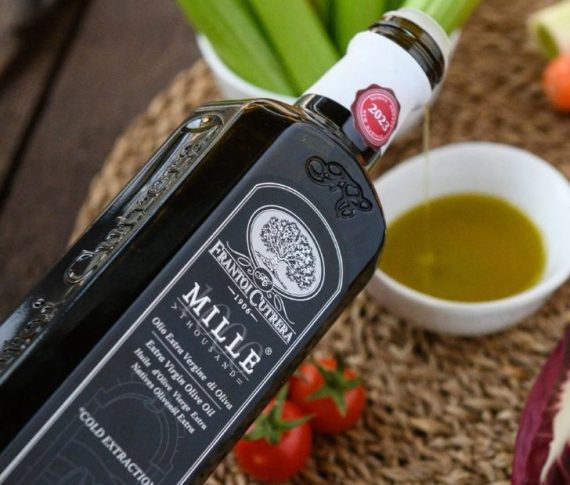
Light and heat are not olive oil’s friends. A dark glass bottle or opaque container helps protect the oil from degrading too quickly. Clear glass may look pretty on the shelf, but it is not doing the oil any favors.
Flavor clues that help you buy smarter
A lot of people think good olive oil should taste smooth and mellow with no edge at all. Not quite.
A fresh, well-made extra virgin olive oil often has a little bitterness and a peppery finish. That peppery sensation at the back of your throat is not a flaw. It can actually be a sign of freshness and quality. If you have ever dipped bread into an oil that made you cough just a tiny bit, that is not necessarily a bad bottle. It may be a lively one.
That said, intensity is personal. If you cook mostly delicate dishes or want one bottle that pleases everyone at the table, look for words like balanced, mild, buttery, or fruity. If you love assertive flavor, labels that mention robust, grassy, peppery, or herbaceous may be more your speed.
This is where trade-offs come in. A bold oil is exciting for finishing, but it can dominate a gentle dish. A mild oil is versatile, but it may not give you that wow moment when you drizzle it over burrata or roasted carrots.
Red flags to skip
You do not need to overthink every bottle, but a few warning signs are worth knowing.
If there is no harvest date, no clear origin, and the packaging feels designed entirely around rustic fantasy, I would be cautious. A pretty label is not proof of quality.
If the oil smells waxy, stale, or like crayons after opening, it is probably past its prime. Fresh olive oil should smell alive. Think green leaves, fresh-cut grass, ripe fruit, or even tomato leaf, depending on the style.
Huge bottles can also be a trap if you cook with olive oil only occasionally. Once opened, the clock starts ticking. Buying more than you can reasonably use in a couple of months can leave you with tired oil before you reach the bottom.
The best bottle for cooking vs finishing
If you want to keep things simple, keep two olive oils in your kitchen.
Use one dependable, mid-priced extra virgin olive oil for everyday cooking. This is your workhorse for sauteing onions, roasting vegetables, making marinades, and tossing with pasta. It should taste good, but it does not need to be precious.
Then keep one smaller, more flavorful bottle for finishing. This is the one you drizzle over hummus, swirl onto creamy soup, spoon over burrata, or splash onto grilled bread. A finishing oil earns its keep because you actually taste it.
If two bottles sound fussy, start with one balanced extra virgin olive oil and see how often you reach for it. Most home cooks do not need a giant olive oil collection. They just need one bottle they trust.
A quick recipe to taste the difference
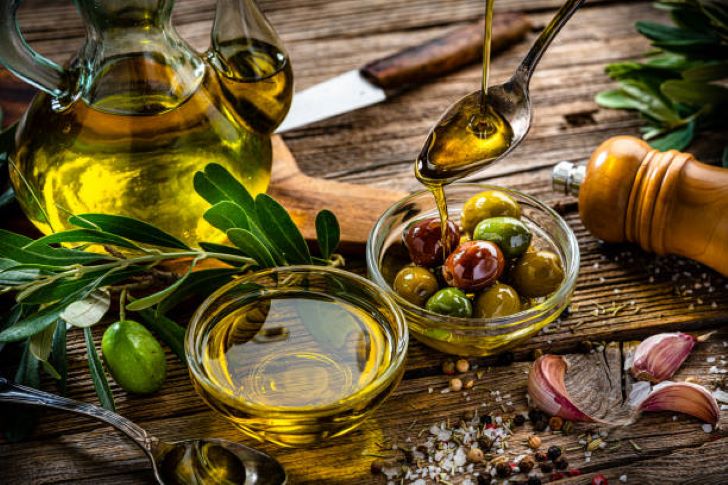
If you want to understand olive oil better fast, try it in the simplest possible way: olive oil bread dip. Pour a few tablespoons of extra virgin olive oil into a shallow dish, add a pinch of flaky salt, cracked black pepper, and a little grated garlic or lemon zest if you like, then serve it with warm crusty bread. Good olive oil will taste vivid, fresh, and a little peppery. Flat oil will taste like almost nothing.
You can do the same test with roasted carrots or vanilla ice cream if you are feeling playful. A finishing drizzle tells you more about a bottle than hiding it in a long-cooked sauce ever will.
How to store olive oil once you get it home
Even a great bottle can go downhill if you treat it badly. Store olive oil in a cool, dark place away from the stove, not perched beside a sunny window or right next to the oven. Heat, air, and light all speed up quality loss.
Keep the cap tightly closed, and try to use the bottle within a few months of opening for the best flavor. If you buy in bulk, transfer some into a smaller bottle for daily use and keep the rest sealed up.
How to choose olive oil without overpaying
Price matters, but expensive does not always mean better for your kitchen. A premium single-estate oil can be stunning, especially for finishing, but that does not mean you need to spend top dollar for weeknight cooking.
The sweet spot for most home cooks is a reputable extra virgin olive oil in a dark bottle with a recent harvest date and a flavor profile you will actually enjoy using often. If you find one that makes your vinaigrettes brighter, your roasted vegetables richer, and your toast feel a little fancy, that is your bottle.
Listen, I get it. Ingredient shopping can start to feel like a test you forgot to study for. But olive oil is one of those pantry staples that really can make everyday food taste more special, and once you know what to look for, the whole category gets a lot friendlier. Trust freshness over fancy wording, buy for the way you cook, and let your own palate have the final say.