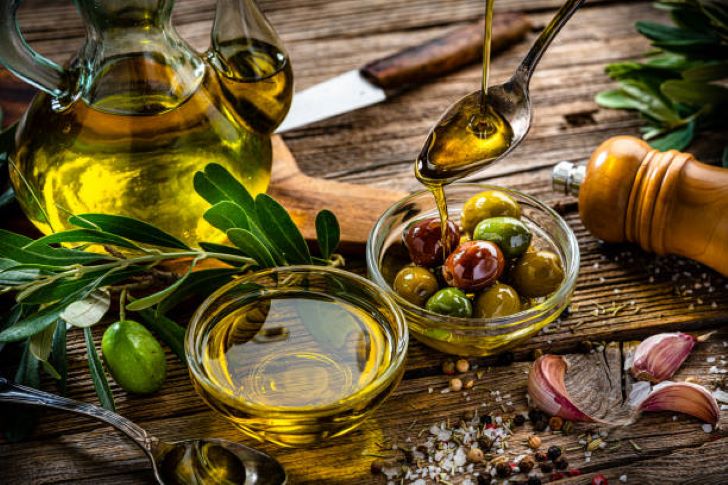
10 Best Olive Oils for Dipping
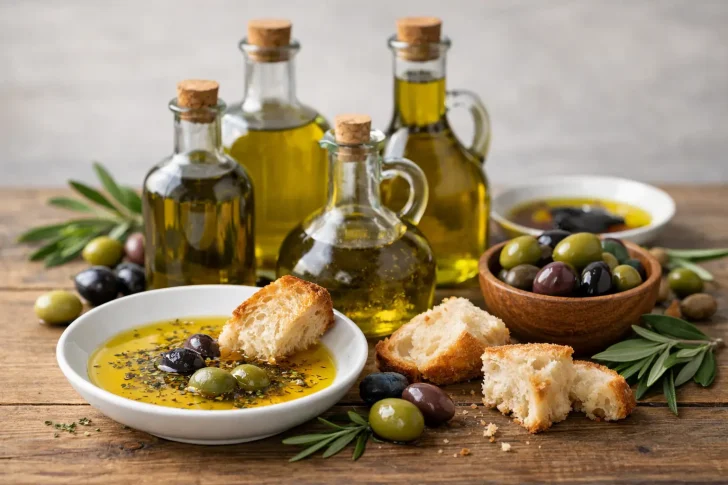
You know that moment when warm bread hits the table and the olive oil is so good everyone suddenly goes quiet? That is exactly why people go searching for the best olive oils for dipping. The short answer is this: the best bottle is fresh, extra virgin, balanced, and flavorful enough to taste alive on its own. A great dipping oil should bring peppery bite, grassy aroma, fruity richness, or even a little almond-like finish, without tasting flat, greasy, or tired.
For home cooks, dipping oil is one of the easiest ways to make a simple snack or dinner spread feel a little more special. It turns a loaf of bread into an appetizer, makes a cheese board feel complete, and gives roasted vegetables, beans, and grilled meats one more layer of flavor. Listen, I get it – olive oil labels can feel weirdly vague, and not every expensive bottle is actually the right one for tearing bread into at the kitchen counter.
What makes the best olive oils for dipping?
When I set out a bowl of olive oil for friends, I want something with personality. Dipping oil should taste fresh first of all. If it smells dusty, waxy, or stale, it is never going to shine in a shallow dish beside bread. Fresh extra virgin olive oil usually brings some combination of green grass, tomato leaf, artichoke, herbs, ripe fruit, black pepper, or a slightly bitter finish.
That bitterness is not a flaw. In fact, a little bitterness and pepperiness usually mean you are tasting healthy polyphenols, which are part of what makes a lively extra virgin olive oil feel so vibrant. The trade-off is that a very assertive oil can overpower delicate bread or mild cheeses. If you are serving crusty sourdough with salty butter beans and cured meat, bold is great. If you are pouring oil beside focaccia for kids or olive-oil-shy guests, a softer and fruitier bottle can be the better choice.
A quick history of bread and olive oil
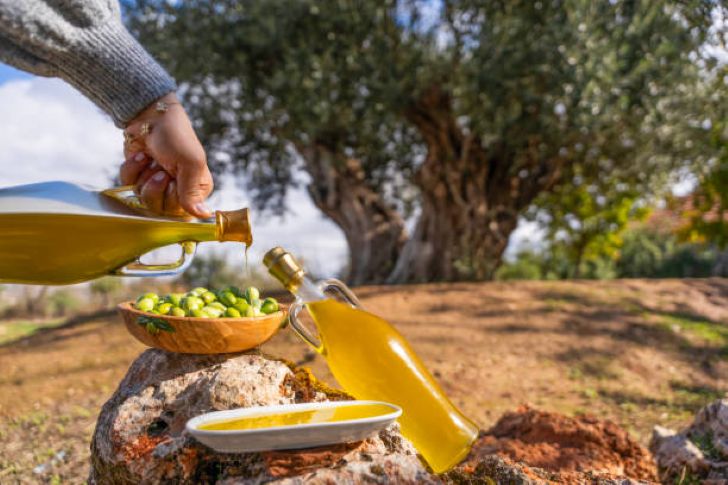
Bread and olive oil is one of those pairings that hardly needs a recipe because it has been working beautifully for centuries. Across the Mediterranean, olive oil has long been used not just for cooking but for finishing and serving at the table. In places where olives and wheat were staples, tearing bread and dipping it into fresh oil was practical, delicious, and deeply tied to daily life.
That tradition still feels modern because it solves a very current problem: how to make simple food taste exciting without a lot of effort. Good olive oil does that in seconds.
The flavor styles worth looking for
Shopping for the best olive oils for dipping gets easier once you think in flavor families instead of brands alone. Mild and buttery oils are easygoing, smooth, and crowd-pleasing. These work well for soft dinner rolls, plain focaccia, and boards with mild cheeses.
Green and peppery oils are the ones that wake everything up. They can taste grassy, herbal, or pleasantly sharp at the back of the throat. These are especially good with rustic breads, flaky salt, crushed red pepper, or a swipe of whipped ricotta.
Fruity and balanced oils land in the middle. They often have ripe olive flavor, a little sweetness, and a clean peppery finish. For most home cooks, this is the sweet spot because it feels special without being too intense.
10 best olive oils for dipping to look for
You do not need one perfect universal bottle. You need the right style for how you like to eat. These are the categories I recommend most often.
1. Fresh single-origin extra virgin olive oil
If you want the clearest sense of place and flavor, single-origin oils are hard to beat. They often have more distinct character, whether that means bright green notes or a round, fruity finish. They are great for simple bread service where the oil is the star.
2. Early harvest extra virgin olive oil
Early harvest oils are usually greener, more peppery, and more intense. If you love bold flavor and that little throat-catching finish, this is your bottle. It is fantastic with grilled bread and flaky salt.
3. Mild extra virgin olive oil for families
Some oils are soft, buttery, and low on bitterness. These are excellent if you are serving a mixed crowd or if you want an olive oil that plays nicely with balsamic, herbs, or Parmesan.
4. Italian-style peppery oils
These often bring a sharper finish, savory herb notes, and enough structure to stand up to charcuterie and aged cheese. They make a dipping plate feel restaurant-worthy with almost no effort. Please note that any flavored olive oils, can never be an “extra virgin” olive oil.
5. Spanish-style fruity oils
Spanish oils can be beautifully rounded, with notes of almond, tomato vine, or ripe fruit. They are versatile and especially good if you want something balanced.
6. Greek-style robust oils
Greek oils can be grassy, bold, and wonderfully assertive. If your ideal bread dip includes oregano, lemon zest, or olives, these fit right in.
7. California extra virgin olive oil
For US shoppers, fresh domestic oils can be a smart buy because they are often easier to find with clear harvest dates. Many are balanced and dependable, which matters when you want quality without a lot of guesswork.
8. Organic extra virgin olive oil
Organic does not automatically mean better flavor, but it can be a priority for some cooks. If freshness and harvest information are there too, an organic bottle can be a great dipping option.
9. Unfiltered olive oil for bold texture
Unfiltered oils can taste especially vivid and rustic. They sometimes look cloudy and can have a fuller mouthfeel. The catch is they may have a shorter shelf life, so buy small and use them quickly.
10. Estate bottled extra virgin olive oil
Estate bottled oils can offer more traceability, which is helpful if you care where your oil comes from and how it was produced. For dipping, that often translates to better consistency and more confidence in what you are serving.
Ingredients for a simple olive oil bread dip recipe
Hey there, fellow food lover – if you want a dependable house dip you can make in two minutes, this is mine. It lets the oil shine but gives it just enough support.
You will need 1/2 cup fresh extra virgin olive oil, 1 small garlic clove grated very finely, 1/2 teaspoon flaky sea salt, 1/4 teaspoon cracked black pepper, 1/2 teaspoon dried oregano, a pinch of crushed red pepper flakes, 1 teaspoon lemon zest, and optional grated Parmesan for serving. Add warm crusty bread, focaccia, or toasted baguette slices on the side.
Tools and equipment needed
All you need is a shallow serving bowl, a microplane or fine grater for the garlic and lemon zest, a small spoon, and a good bread knife. If you are entertaining, a wider dish is better than a deep bowl because the oil spreads out and catches the light beautifully.
How to make the dipping oil
Pour the olive oil into a shallow bowl. Stir in the garlic, salt, black pepper, oregano, red pepper flakes, and lemon zest. Let it sit for 5 to 10 minutes so the garlic and herbs can flavor the oil.
Taste before serving. If the oil is naturally mild, add a little more pepper or a pinch more salt. If the oil is bold and bitter, skip extra seasonings and let the bread do the balancing.
This is the part people overlook: do not make it too far ahead. Fresh garlic in oil tastes brightest early on, and the whole point is to keep the flavors lively.
Final plating and serving ideas
Serve the dip in a low bowl with one more pinch of flaky salt on top. If you like, add a spoonful of grated Parmesan in the center or scatter over a few torn basil leaves. Put out warm bread with a crisp crust and soft middle. That contrast matters.
For a bigger spread, pair your dipping oil with marinated olives, whipped ricotta, roasted tomatoes, or white bean dip. It turns a simple appetizer into something generous and cozy without much extra work.
How to choose a bottle at the store
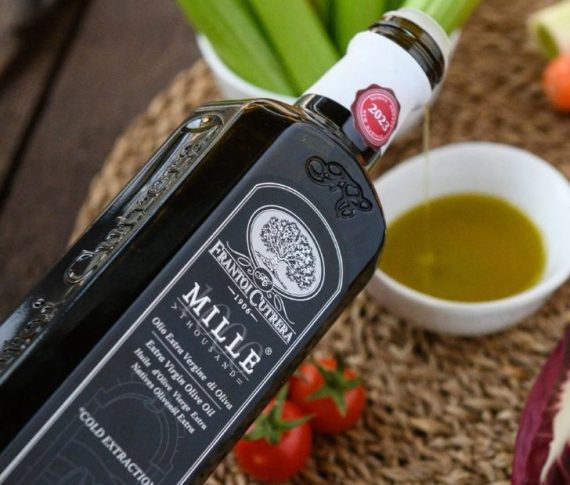
The label can tell you more than you think. Look for extra virgin, a harvest date if possible, and a dark bottle or tin that protects the oil from light. Smaller bottles are often smarter unless you go through olive oil quickly, because freshness matters more than volume.
Price can help, but it is not the whole story. A super cheap bottle is often disappointing for dipping, yet the most expensive bottle is not always the one you will enjoy most. If you like soft, mellow oils, a famously peppery bottle may feel too aggressive. It depends on your palate and what is on the table with it.
Extra tips and ingredient variations
If you want a more Italian restaurant-style bread dip, add dried basil and a spoonful of grated Parmesan. For a brighter version, use orange zest instead of lemon and finish with chopped parsley. If you love heat, increase the red pepper flakes and add a tiny splash of chili oil.
You can also skip the herbs completely and serve a truly good olive oil with just flaky salt. Honestly, that is often the best test of quality. If it tastes delicious almost bare, you found a winner.
FAQs
What is the best type of olive oil for dipping bread?
Fresh extra virgin olive oil is the best choice for dipping bread because it has the most flavor and the cleanest finish.
Should dipping olive oil be mild or peppery?
Either can work. Mild oils are crowd-pleasing, while peppery oils feel bolder and pair well with rustic breads and salty toppings.
Can I add balsamic vinegar to olive oil for dipping?
Yes, but use it lightly. Too much balsamic can cover up the flavor of a good olive oil. The best Italian dip for a baguette or Ciabatta is to poor some “extra virgin” olive oil on a small plate, add a few drops of high quality Balsamic Vinegar (to taste) from Modena (It) and season it with crushed sea salt and black pepper.
How do I know if olive oil is fresh?
Look for a harvest date, choose a dark bottle, and taste for bright, grassy, fruity, or peppery notes instead of stale or waxy flavors.
What bread is best with olive oil dip?
Crusty sourdough, focaccia, ciabatta, and toasted baguette are all great because they hold texture and soak up the oil well.
The best dipping setup is not about showing off a fancy bottle. It is about finding an olive oil that makes you reach for one more piece of bread, then another after that.