Best Bread for Sandwiches, Ranked
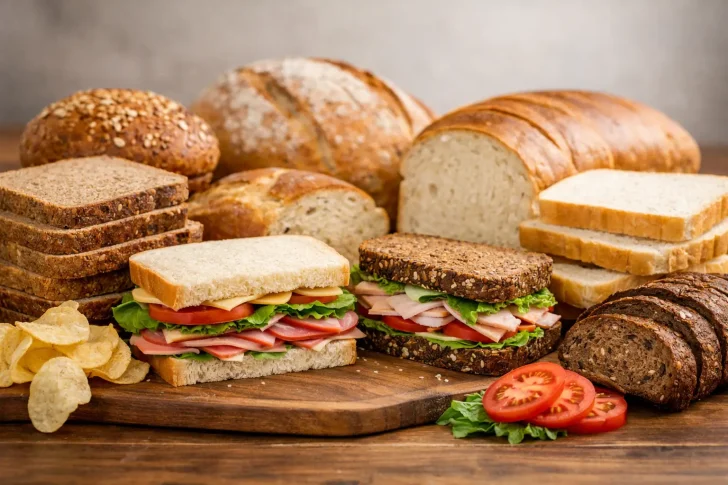
You can make incredible chicken salad, layer on great cheese, slice tomatoes at their peak – and still end up with a sandwich that feels a little sad if the bread is wrong. Choosing the best bread for sandwiches is not just about what tastes good on its own. It is about structure, texture, moisture control, and how each bite holds together from first crunch to last crumb.
Listen, I get it. Bread can seem like the least exciting part of the sandwich, right up until your hoagie collapses, your grilled cheese turns dry, or your turkey club gets gummy in the middle. The right loaf makes fillings taste brighter, richer, crispier, and more balanced. That is why bread deserves a little more attention than grabbing whatever is on sale.
What makes the best bread for sandwiches?
The best sandwich bread does three jobs at once. It should support the filling, add flavor without overpowering everything else, and create a texture contrast that makes the sandwich satisfying to eat.
That sounds simple, but different breads solve different problems. Soft pullman bread is great when you want a neat, even bite with creamy fillings. Sourdough brings chew and tang, which can wake up rich ingredients like ham, melted cheese, or roasted vegetables. Ciabatta is airy and dramatic, but it can also squish slippery fillings right out the side if you overstuff it. So yes, there is a best bread for sandwiches, but it depends on the sandwich you are making.
A few things matter most. Crumb structure affects whether sauces soak in gently or turn the bread soggy. Crust affects bite and durability. Flavor matters too. Mild breads let fillings lead. More flavorful breads become part of the point.
The best bread for sandwiches by type
Sourdough
If you want one of the most versatile options, start here. Sourdough has enough character to make a basic sandwich taste more interesting, but it still plays well with classic fillings. It is especially good for grilled cheese, turkey sandwiches, ham and Swiss, tuna melts, and anything with sharp cheddar.
The trade-off is chew. A rustic sourdough with a very thick crust can be too tough for delicate sandwiches or for kids who want something softer and easier to bite. If that sounds familiar, look for a sandwich-style sourdough loaf with a thinner crust and tighter crumb.
Pullman loaf or classic white sandwich bread
This is the bread that gets underestimated all the time. Good white sandwich bread is soft, even, tidy, and incredibly useful. It is ideal for PB&J, egg salad, cucumber sandwiches, tea sandwiches, and grilled cheese when you want maximum golden crispness with minimal resistance.
What it gives you in tenderness, it gives up in heft. Wet fillings can overwhelm it quickly, especially if you pile on tomato slices, oil-based spreads, or juicy deli meat. It is best when the fillings are creamy rather than drippy.
Whole wheat bread
Whole wheat bread is a solid everyday choice when you want a little more nuttiness and a heartier feel. It works beautifully with turkey, roast chicken, hummus, avocado, bacon, and crunchy vegetables. It brings more flavor than white bread, but usually not as much tang or chew as sourdough.
Not all whole wheat breads are equal, though. Some are soft and slightly sweet, which works well for lunchbox sandwiches. Others are dense and grain-heavy, which can dominate mild fillings. If your sandwich tastes more like bread than what is inside it, that loaf is doing too much.
Rye
Rye is unmatched for certain sandwiches. Corned beef, pastrami, roast beef, Swiss cheese, mustard, pickles – this is where rye shines. Its earthy, slightly peppery flavor gives deli-style sandwiches real personality.
Still, rye is not an all-purpose pick for every kitchen. It can overpower gentler fillings like chicken salad or mozzarella. Choose it when you want a bold sandwich, not a blank canvas.
Ciabatta
Ciabatta is fantastic when you want an elevated, bakery-style sandwich at home. Its chewy structure and open crumb are perfect for pressed sandwiches, Italian combinations, fresh mozzarella with tomatoes, or roasted vegetables with pesto.
The catch is that its large holes can let sauces and small fillings escape. If you are working with egg salad, chopped chicken salad, or anything very drippy, ciabatta can be messy in a hurry. It is best with layered fillings rather than scoopable ones.
Brioche
Brioche makes sandwiches feel a little luxurious. It is buttery, soft, and lightly sweet, which makes it a dream for breakfast sandwiches, fried chicken sandwiches, and ham-and-cheese combinations that want a richer edge.
Because it is soft and enriched, it is not the first choice for heavily dressed deli sandwiches. It can compress under weight and may taste too sweet with acidic pickles or strong mustard. But for indulgent sandwiches, it is a star.
Hoagie rolls and sub rolls
When the sandwich is long, loaded, and packed with layers, rolls are the move. A good hoagie roll offers enough structure for deli meats, shredded lettuce, tomato, cheese, and dressing without falling apart halfway through lunch.
The texture matters more than people think. Too soft, and the roll turns squishy. Too hard, and every bite drags the fillings out. The sweet spot is a roll with a gentle chew and a thin crust.
How to match bread to the filling
Think about moisture first. Juicy fillings need a sturdier bread. Steak, meatballs, caprese, and anything dressed with vinaigrette hold up better on ciabatta, sub rolls, or hearty sourdough. Creamier fillings like pimento cheese, tuna salad, and chicken salad are better on softer sliced bread that compresses slightly and keeps everything in place.
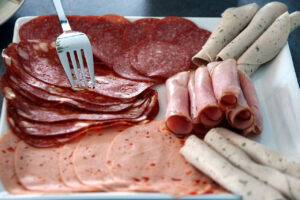
Then think about flavor intensity. Delicate fillings like turkey, butter lettuce, cucumber, or mild cheeses pair best with white bread, soft wheat, or a mild sourdough. Stronger fillings like pastrami, salami, aged cheddar, or olive tapenade can stand up to rye, crusty sourdough, or seeded loaves.
Finally, consider how you want the sandwich to feel. Do you want neat and classic, hearty and rustic, or crisp and pressed? The best bread for sandwiches is often the one that gives you the eating experience you actually want, not just the one that sounds fancy.
When to toast and when to leave it alone
Toasting is not always the upgrade people think it is. It adds structure and crunch, which is helpful for avocado sandwiches, BLTs, tuna melts, and open-faced builds. It also creates a barrier that slows sogginess.
But toast can work against soft fillings. A fluffy egg salad or chicken salad sandwich on very crunchy bread can feel awkward and hard to eat. Soft sandwich bread, left untoasted, often gives a more balanced bite there. For deli meats and cheeses, lightly toasting just the inside faces of the bread is a smart middle ground.
A quick recipe description for the kind of sandwich this article is built for
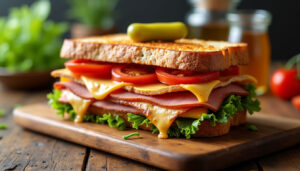
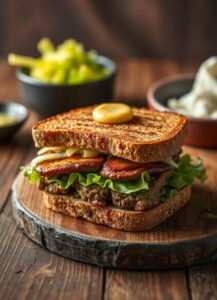
Here is the sandwich style this advice was made for: a craveable turkey-and-cheddar sandwich on sandwich-style sourdough with mayo, Dijon, crisp lettuce, thin tomato slices, and a few pickles for bite. The sourdough gives just enough tang and structure, the cheddar adds richness, and the fresh vegetables keep the whole thing bright instead of heavy. It is the kind of lunch that tastes familiar but noticeably better, which is exactly the sweet spot for home cooks who want everyday meals to feel more rewarding.
To make it, toast two slices of sourdough lightly until just golden at the edges. Spread one side with mayo and the other with Dijon. Layer sliced turkey, sharp cheddar, lettuce, tomato, and pickles, then season the tomato with a pinch of salt and pepper before closing the sandwich. Slice it in half and serve right away while the bread still has that perfect mix of crisp edges and tender center.
Bread mistakes that ruin a good sandwich
The biggest mistake is choosing bread by looks alone. A gorgeous artisan loaf is not automatically the best bread for sandwiches if the crust is so tough that it shreds the roof of your mouth. Another common problem is not thinking about moisture. If your filling is wet, add a buffer like lettuce, cheese, or a thin swipe of butter or mayo directly on the bread.
Thickness matters too. Bread sliced too thick can make the sandwich feel all wrong, especially with modest fillings. You should taste the whole build, not feel like you are chewing through a loaf.
And yes, freshness counts. Slightly stale bread can be revived with toasting for some sandwiches, but not all. For soft sandwiches, fresh bread is the difference between satisfying and forgettable.
If you cook the way we do at The Faerietale Foodie, you already know small ingredient choices can change everything. Bread is one of those choices. Give it the same attention you give the fillings, and your sandwiches start tasting less like a backup plan and more like the meal you were actually craving.
The next time you build a sandwich, start with the question that matters most: do you want soft, chewy, crusty, or rich? Your answer will get you a lot closer to the right loaf than any generic rule ever could.