Extra Virgin Olive Oil Review for Better Cooking
Has a bottle of olive oil ever made dinner taste flat when you expected glossy, garlicky, restaurant-worthy goodness? This extra virgin olive oil review gives you the quick answer: a good EVOO should taste alive – grassy, fruity, peppery, or pleasantly bitter – not bland, waxy, or stale. And once you find one you love, the simplest way to show it off is with a warm olive oil dipping plate, crusty bread, and a few smart toppings.
Listen, I get it. Olive oil bottles can feel needlessly intimidating. There are dark glass bottles, harvest dates, imported labels, words like “cold extracted,” and price tags that range from everyday to special-occasion splurge. You do not need to become an olive oil sommelier to make a great choice. You just need to know what freshness tastes like, which style suits your cooking, and how to keep it from going sad in the back of the pantry.
Extra Virgin Olive Oil Review: What Makes a Bottle Worth Buying?
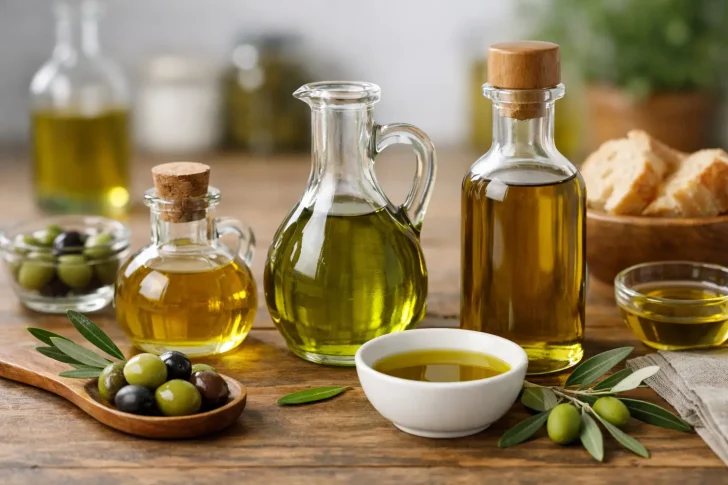
Extra virgin olive oil is the highest grade of olive oil, made from fresh olives without heat or chemical refining. That sounds simple, but the flavor can vary wildly based on the olive variety, where it was grown, and when it was pressed.
In my kitchen, I look for a bottle with a clear harvest date or at least a recent best-by date. Olive oil is fruit juice, not a forever ingredient. A fresh bottle smells inviting: think cut grass, tomato leaf, green almond, ripe fruit, or herbs. On the tongue, quality EVOO often has a gentle bitterness followed by a peppery tickle in the throat. That little cough is not a flaw. It usually comes from naturally occurring antioxidants.
The best extra virgin olive oil for dipping bread is not always the best one for every task. A bright, peppery oil is fabulous over beans, grilled vegetables, tomato toast, soups, and this recipe. A softer, buttery oil can be better for baking, delicate fish, scrambled eggs, or a simple vinaigrette. It depends on whether you want the oil to be the main flavor or quietly support the rest of the dish.
Avoid bottles that smell like crayons, old nuts, dusty cardboard, or a waxy candle. Those notes can signal rancidity. Also, do not assume “light” olive oil means lighter in calories. That label usually refers to flavor and refining, not nutrition.
A Little Olive Oil History Worth Knowing
Olive oil has been a staple around the Mediterranean for thousands of years, used for cooking, preserving food, and gathering people around the table. Serving bread with seasoned oil is a modern restaurant familiar, but the combination itself has deep roots in places where olive trees, wheat, garlic, and herbs grow side by side.
For home cooks, that history offers a useful lesson: exceptional ingredients do not need much fussing. When a fresh olive oil meets warm bread, flaky salt, and a little garlic, the result tastes generous without asking you to spend an hour at the stove.
Warm Olive Oil Dipping Plate Recipe Description
This easy olive oil bread dip turns a good bottle of EVOO into an appetizer that feels a little festive and completely doable. Warm olive oil is infused briefly with garlic, rosemary, chili flakes, and lemon zest, then finished with Parmesan and flaky salt. It is fragrant, savory, and bright enough to wake up a platter of warm ciabatta, sourdough, pita wedges, or focaccia.
Serve it before pasta night, alongside a cheese board, or as a low-effort starter when friends text that they are “five minutes away.”
Ingredients
For one generous dipping plate, you will need 1/2 cup fresh extra virgin olive oil, 2 thinly sliced garlic cloves, 1 teaspoon chopped fresh rosemary, 1/4 teaspoon red pepper flakes, 1 teaspoon finely grated lemon zest, 2 tablespoons finely grated Parmesan, 1/4 teaspoon flaky sea salt, and plenty of warm crusty bread.
If rosemary is not your favorite, use thyme or oregano. For a dairy-free olive oil dip, simply leave out the Parmesan and add a few chopped toasted almonds or sesame seeds for texture.
Tools You Will Need
Use a small skillet or saucepan, a heatproof shallow bowl or rimmed plate, a microplane or fine grater for the lemon, a sharp knife, and a bread basket or board for serving. A shallow dish matters here because it lets everyone scoop up herbs, cheese, and oil in one satisfying swipe.
How to Make the Olive Oil Bread Dip
Set a small skillet over low heat and pour in the extra virgin olive oil. Add the sliced garlic, rosemary, and red pepper flakes. Let everything warm gently for 3 to 4 minutes, just until the garlic turns fragrant and barely golden at the edges.
Do not let the garlic brown deeply. Burned garlic will turn your beautiful oil bitter fast. If the oil begins to sizzle aggressively, lower the heat or pull the pan off the burner for a moment. You are infusing the oil, not frying the aromatics.
Once the garlic smells sweet and savory, stir in the lemon zest. Pour the warm mixture into your shallow serving dish, then scatter Parmesan and flaky sea salt over the top. The cheese will soften slightly in the warm oil and cling beautifully to torn bread.
Taste with a piece of bread before adding more salt. Parmesan can be quite salty, and your EVOO may already bring plenty of peppery character. If you want more heat, add another pinch of red pepper flakes right before serving.
Final Plating: Make It Feel Like a Restaurant Starter
Place the dipping plate in the center of a wooden board or large platter and arrange torn bread around it. Tearing the bread instead of slicing it gives you craggy edges that hold onto the seasoned oil. Add a few whole rosemary sprigs, lemon wedges, and a small bowl for olive pits if you are serving olives alongside it.
For a dinner-party look, spoon a little extra fresh EVOO over the surface just before it reaches the table. That final drizzle brings back the fruitiness that gentle heating can soften. It is a tiny detail, but it makes the plate shine.
Smart Buying, Storage, and Flavor Variations
A dark glass bottle or tin is a practical choice because light speeds up oxidation. Keep EVOO in a cool, dark cabinet away from the stove, not on the countertop next to a sunny window. Once opened, try to use it within a couple of months for its brightest flavor. Buying a smaller bottle more often is frequently better than nursing a giant bottle for a year.
For everyday cooking, it is perfectly reasonable to keep two oils: one affordable, dependable extra virgin olive oil for roasting and sautéing, plus one fresh, flavorful bottle reserved for finishing dishes. That is not being fussy. It is like keeping both cooking wine and a bottle you would actually pour into a glass.
This recipe is easy to tailor. Add chopped sun-dried tomatoes and basil for an Italian-style bread dip, or use smoked paprika and orange zest for a warmer, tapas-inspired version. A spoonful of balsamic vinegar can be delicious, but add it in a separate small pool rather than stirring it through the oil. The contrast looks prettier and gives guests control over the tang.
Frequently Asked Questions
Is extra virgin olive oil good for cooking at high heat?
Yes, extra virgin olive oil works well for many everyday cooking jobs, including sautéing, roasting, and pan-frying. Its exact smoke point varies, so use moderate heat and choose another oil only when you need extremely high, prolonged heat.
Why does good olive oil make me cough?
That peppery throat tickle is often caused by oleocanthal, a natural compound found in fresh extra virgin olive oil. A cough does not automatically mean the oil is better, but a pleasant peppery finish is commonly a sign of freshness.
Should extra virgin olive oil be refrigerated?
Usually, no. Refrigeration can make it cloudy or partially solid, which is harmless but inconvenient. A cool, dark cabinet is the best everyday storage spot.
Can I make this olive oil dipping recipe ahead?
You can prep the garlic, herbs, zest, and cheese ahead, but warm the oil shortly before serving. The aroma and texture are best fresh, and the garlic should not sit at room temperature in oil for long periods.
What bread is best for olive oil dipping?
Ciabatta, sourdough, baguette, focaccia, and rustic country loaves are all great choices. Look for a crisp crust and an open interior that can catch the flavorful oil without falling apart.
The next time you are staring at a shelf of olive oil, choose the freshest bottle you can find, bring it home, and let it do the easy work of making an ordinary meal feel special.
Image Brief for Google Discover
RAW image prompt: Cinematic close-up of a shallow ceramic plate filled with warm extra virgin olive oil, thin golden garlic slices, rosemary, red pepper flakes, lemon zest, Parmesan, and torn sourdough bread on a rustic wood table. Natural window light with soft shadows, 35mm lens, f/1.8, high detail, sharp focus, authentic textures, editorial food photography, landscape 3:2 orientation, no text, no hands.
Alt text: Extra virgin olive oil bread dip with garlic, rosemary, Parmesan, lemon zest, and torn sourdough bread.
Image title: Extra Virgin Olive Oil Bread Dip
Caption: A warm, herb-filled extra virgin olive oil dip makes simple crusty bread feel party-ready.
Image description: A cinematic landscape food photo of fresh extra virgin olive oil infused with garlic, rosemary, chili flakes, lemon zest, and Parmesan, served with torn sourdough bread.